One cannot understand, or justify, or sadly defeat terrorism.
HOWEVER, WE MUST NEVER FORGET NOR RELENT IN OUR EFFORTS TO ERADICATE THIS EVIL.
Even totalitarian, militaristic regimes from Tsarist Russia through to any country you chose to name, have been subjected to terrorism.
The terrorists are like rats or mosquitoes. Like rats and mosquitoes, we can tie ourselves in knots attempting some form of justification for their existence.
Like rats and mosquitoes, we can try to restrict their appearance and contact with humans, but we know they will always be there.
We manage to construct our own lives, free as possible from their irritations. The rat can be deadly with the transmition of plague and other illnesses. Likewise, the mosquito with malaria etc.
However, they are but – within our perceptions –irritations.
This, unfortunately, is not the case with terrorism.
It should be. Terrorists kills far fewer innocent people than either rats or mosquitoes.
We must not give terrorism the “glory” nor the “Importance” it demands, or attempt any justification.
NOR SUPPORT ORGANISATIONS OR MOVEMENTS THAT USE TERROR
In Israel, they are not called refugees: the synonym is “internally displaced people”.
The facts are these:
15,552 displacements (forced to flee), 08 October – 13 October According to the head of the Upper Galilee Regional Council, approximately 15,552 people were forced to flee in the Upper Galilee Regional Council due to fear of escalation of hostilities between Hezbollah and Israel between 8 October and 13 October.
80,000 displacements (evacuated), 23 October – 19 November According to government, approximately, 80000 people were evacuated from the area bordering Lebanon due to hostilities at the Lebanese/Israeli border between 23 October and 19 November.
While the world rightly concerns itself with the internally displaced people inside Gaza, the lack of notice paid to this other story is strange.
Although these displaced people’s lives may be better than those of the citizens in Hamas-run Gaza, it isn’t much fun. It might be fun to live with your family in a hotel room for a week. It isn’t much fun to do so for months, let alone indefinitely. Furthermore, it is life on hold, with children missing their education.
Brig. Gen. (res.) Yoram Laredo, head of Israel’s National Emergency Management Authority (NEMA), said that the number of evacuees could be close to a quarter of a million and that Israel was grappling with a new challenge: internally displaced people.
Yuli Ben Ami, whose parents, Raz and Ohad, were kidnapped to Gaza, said that she is suffering from severe stress and anxiety over the fate of her parents but is also painfully aware that she can’t stay at the hotel for much longer.
“This is not our home,” said the 27-year-old. “We can’t cook here. We don’t have any of our things. We don’t have anything.”
The eldest of three sisters, Ben Ami recounted how Hamas terrorists and hundreds of non-combatants who followed the terrorists into Israel during the hours-long attack rampaged through her parents’ home, stealing everything of value before setting it on fire.
“They put a bomb in the house and literally exploded our lives,” she said. “The only thing I have left is my community, the kibbutz members. They are around me, helping me all the time.”
Are you crazy? Lent is a Christian tradition. Nothing to do with the Jews.
Wadi Qelt – from Jerusalem to Jericho.
Maybe…
For Jews observing Passover, the preparation is just as important as the meal itself.
Jews prepare by cleaning their homes of bread. They prepare by studying the Exodus story. They prepare through self-examination.
Just as Lent prepares Christians for Easter, these actions prepare Jewish bodies and souls to experience the Passover meal.
For Jews, Passover celebrates the REBIRTH of the Jewish people. During the four hundred years of slavery, the Israelites grew from a clan of 70 to a nation of over a million.
For Christians, Lent is also a period of preparation. It culminates in Easter, celebrating the resurrection of Jesus and, effectively, the REBIRTH of humanity.
What better preparation than 40 days of contemplation on the failings of man and the majesty of G-d?
A walk from Jerusalem to Jericho through the valley of repentance.
The Greek word ineffectively translated as “repentance” in the Bible quite literally means “to change your mind” (metanoia), which is the prime function of this season of Lent.
It is not about giving up sweets (or any other concrete thing)!
You can give up all the “sweets” you want yet still be trapped in the old mind.
You can give up no sweets at all, and allow yourself a total “revolution of the mind”.
A REBIRTH.
Preparing for Passover is like getting ready to be reborn.
The Vice President of the USA states and demands: “People in Gaza are starving. The conditions are inhumane, and our common humanity compels us to act… The Israeli government must do more to significantly increase the flow of aid. No excuses…. Given the immense scale of suffering in Gaza, there must be an immediate ceasefire for at least the next six weeks.”
Of course, people living in a battle zone are suffering. This is asymmetrical urban warfare at its most complex. Especially exacerbated by one side deliberately using civilians as human shields.
There will be difficulties in supplying aid and ensuring that it goes to those who are in need. Israel is doing the best that it can – as a combatant in a war – to supply its enemy with aid to survive.
The suffering is immense. But to believe that a six week ceasefire will solve the problem is Mary Poppin’s logic at its worst.
This “spoonful of sugar” will do nothing to eradicate a murderous gang of rapist intent on killing Jews and destroying the State of Israel. The exact opposite: it will allow the butchers to regroup and consolidate.
There is only one way in which to “peacefully” end this war and provide for the trapped non-combatants: Hamas release all the hostages, surrenders, and makes its leaders available for criminal proceedings.
Unfortunately, this will never happen. So better to fight on until the end, rather than, as a futile act, to sweeten the medicine.
VP Harris also does Israel a huge disservice by implying that the SOI is not only responsible for the supply of food, fuel and other services to the people of Gaza, but also that it controls the administration and distribution of these services. Israel is at war with clearly defined goals. Unfortunately, these do not include care and comfort of its enemy.
That said, IDF standing orders, demand “Every ground, aerial and naval operational activity and exercise we conduct is first and foremost carried out for the sake of defending the State of Israel and its civilians. Defence is our mission-security is our goal.”
NOT – NOT- NOT the genocide of the Palestinian people.
These attempts by Harris and others to push Israel into the corner labelled “bad guy”, ignore the evidence.
On the day of her speech, the UN released the results of an investigation into the horrors of October 7th and subsequent events.
A team of United Nations experts tasked with gathering information on sexual violence linked to Hamas’s Oct. 7 attacks on Israel found “reasonable grounds to believe” that some victims were sexually assaulted, including rape and gang rape.
It found “clear and convincing information” that some of the women and children taken back to Gaza that day by Hamas as hostages were subjected to “rape and sexualized torture and sexualized cruel, inhuman and degrading treatment.” There were “reasonable grounds to believe,” it said, “that this violence may be ongoing.”
As, arguably, the most important woman in the USA, Harris was silent about these revelations.
So were all other women’s organisations: from the pink hats to the red stockings. #metoo stops at the Jews.
As to the reason Harris’s silence, I can but speculate: a combination of stupidity and ignorance coupled to a fear of loosing political support of so-called feminists in her own party drove her to use the phrase of Lord Nelsen – “I see no ships” – when placing the telescope to her blind eye.
As for those feminists – the sirens of our times – I can only resort to sexism by suggesting their views must have become distorted by the politics of their current “toy-boy”.
For the reason that it defies all logic that their supposed solidarity has been broken by antisemitism.
1. YOU ALREADY HOLD THE ANSWER TO LIFE’S QUESTIONS.
At the centre of your being, you have the answer; you know who you are, and you know what you want.
Knowing others is intelligence; knowing yourself is true wisdom. Mastering others is strength; mastering yourself is true power.
When I let go of what I am, I become what I might be.
2. YOU ARE FREED WHEN YOU LET GO.
By letting it go, it all gets done. The world is won by those who let it go. But when you try and try; the world is beyond the winning.
Therefore, the Master acts without doing anything and teaches without saying anything. Things arise, and she lets them come; things disappear, and she lets them go. She has but does not possess, acts but doesn’t expect. When her work is done, she forgets it. That is why it lasts forever.
If you want to become whole, let yourself be partial. If you want to become straight, let yourself be crooked. If you want to become full, let yourself be empty. If you want to be reborn, let yourself die. If you want to be given everything, give everything up.
Do you have the patience to wait till your mud settles, and the water is clear? Can you remain unmoving till the right action arises by itself?
3. YOUR EGO WILL NEVER GIVE YOU TRUE PLEASURE.
He who defines himself can’t know who he really is.
He who has power over others can’t empower himself.
He who tries to shine dims his own light.
4. EVIL DIES WHEN IGNORED.
Give evil nothing to oppose, and it will disappear by itself.
5. KINDNESS ALWAYS WINS. EVIL ALWAYS LOSES.
Treat those who are good with goodness, and also treat those who are not good with goodness. Thus, goodness is attained. Be honest to those who are honest, and be also honest to those who are not honest. Thus, honesty is attained.
Kindness in words creates confidence. Kindness in thinking creates profoundness. Kindness in giving creates love.
Being deeply loved by someone gives you strength, while loving someone deeply gives you courage.
6. BE YOURSELF.
Care about people’s approval, and you will be their prisoner.
When you are content to be simply yourself and don’t compare or compete, everybody will respect you.
7. BE HUMBLE AND YOU SHALL BE WISE.
The wise man is one who, knows what he does not know.
All streams flow to the sea because it is lower than they are. Humility gives it its power.
8. CHANGE IS INEVITABLE, SO EMBRACE IT.
If you realize that all things change, there is nothing you will try to hold on to. If you are not afraid of dying, there is nothing you cannot achieve.
New beginnings are often disguised as painful endings.
When you realize you’ve failed spectacularly, what’s the next move?
For the Israelites, throwing a good old-fashioned lament party was the way to go. Lamenting was all the rage in their tradition, thanks to its prime real estate in the Book of Psalms. Post-exile prayers in the Old Testament were all about finding that encouragement and comfort.
Their prayers went a little something like this: “Okay, we messed up big time and totally deserve all this trouble. But are we down in the dumps? Heck no! We admit our faults, our ingratitude is off the charts, and we’re turning to G-d with this gem: yeah, we messed up big time, but You do You.”
Oh, and let’s not forget that self-hatred and guilt – classic Jewish characteristics, right? But surprise, surprise, it’s not just a “Jewish” thing. It’s become a full-blown myth, a never-ending cycle when it comes to Judaism. God’s all about that freedom vibe, especially with the whole Passover gig – breaking free from slavery and all that jazz.
But wouldn’t you know it, there’s always someone trying to cramp our style in His name – priests, Pharisees, and the myth-makers, oh my! Cue the influx of rules and restrictions. But fear not, because G-d’s got a little something up His sleeve – prophets to smash those restrictions to smithereens.
And let’s talk about the big kahuna of freedom: forgiveness.
If you’re not free from the whole package of hatred, resentment, and personal agendas, forgiveness is a no-go. But here’s the kicker – G-d’s the forgiving type. Why didn’t He obliterate Adam and Eve, or the entire Jewish population when they went off the rails, or anyone post-Christian era who still can’t get on board? Because He forgives us, no matter what shenanigans we pull.
So, let’s cut to the chase: the bottom line of Jesus’ message – without diving into the whole Son of G-d debate – is that:
G-d’s love and forgiveness aren’t based on how good we are, but on how good He is.
The Guardian has a piece under the headline >>Gaza Diary: “The kids have gotten really old recently, their innocence stolen“.<<
President of Israel displays Hamas antisemitic education material
The implication is, of course, those nasty Israelis are the guilty ones with their war against Hamas to free the hostages (taken after an obscene pogrom against the Jews) and to secure Israel’s borders. Nothing happened before. No pedagogic hiccups in the development of innocent children.
The educational scene in Gaza has certainly seen its share of twists and turns with the rise of Hamas.
Here’s a peek at the rollercoaster ride known as educational practices under Hamas:
Curriculum and Ideological Influence Move over, traditional textbooks! Hamas has given the curriculum a makeover, adding a dash of Islamic teachings and ideological perspectives that are so ‘Hamas-approved’.
Gender-Segregated Education Boys and girls, time to part ways! Hamas introduces the latest trend in educational fashion – gender-segregated schooling. Girls, it’s all about modest attire and walking the walk of traditional gender roles.
Promotion of Militant Resistance Forget peaceful coexistence, let’s talk about promoting some serious resistance! Hamas is keeping things lively with educational materials that are all about the militaristic and martyrdom narratives.
Challenges and Criticisms The critics are out in full force, with international entities raising an eyebrow (or two) at the potential for major indoctrination. And let’s not forget the challenge of balancing ideological teachings with, you know, actual skills and knowledge for a well-rounded education.
These educational practices under Hamas are like a wild ride through ideological and political amusement park, leaving us wondering about the thrilling implications for the development and future of the students within this system.
And providing an answer, for those who care, to the question of “Who stole the innocence of the children of Gaza?”
Our image of G-d, our “de facto”, operative image of G-d, lives in a symbiotic relationship with our soul and creates what we become.
Loving people, forgiving people, have always encountered a loving and forgiving G-d. Cynical people are cynical about the very possibility of a coherent, loving centre to the universe. So why wouldn’t they become cynical themselves? Of course, they do.
When we encounter a truly sacred text, the first questions are not: Did this literally happen just as it says? How can I be saved? What is the right thing for me to do? What is the dogmatic pronouncement here? Does my church agree with this? Who is right and who is wrong here?
These are largely ego questions. They are questions that try to secure our position, not questions that make us go on a spiritual path of faith and trust. They constrict us, whereas the purpose of the Sacred is to expand us. Furthermore, they are the first ones that come to our mind because that is where we live, inside our ego, and these are the questions we were also trained to ask (unfortunately!).
How about other questions? Simply having read the text, ask:
What is G-d doing here?
What does this say about who G-d is?
What does it say about how I can also meet this same G-d?
In April 2000, there was this whole drama about Yasser Arafat wanting to declare a Palestinian state all by himself, but then everyone else was like “Hold up, let’s talk about this first.” And now, the US and the UK are apparently thinking about giving the Palestinian Authority (PA) the state nod without asking Israel for permission. I mean, lots of countries already recognize the PA, but according to the Oslo Accords, it’s not officially a state and it’s missing some key state-like features. So, for the Palestinians to really be a state, Israel and the US have to be like “Yep, you’re a state.” If President Biden goes ahead and gives the PA the state thumbs-up, it could totally shake things up in the Middle East and the whole Israeli-Palestinian situation. But hey, a lot of stuff needs to fall into place for that to work out. It’s like a really intense game of political Jenga.
Territory
The situation with whether the US should give a thumbs-up to the Palestinian state, particularly in the Gaza Strip and the West Bank, is like trying to referee a game of tug-of-war between two competitive siblings. There’s this concern that if the recognition is limited to certain areas, it’s like offering only half a cookie to someone – the Palestinians might not take it with a smile. On the flip side, Israel is standing there shaking its head at the thought of recognizing the entire West Bank and Gaza Strip.
The proposed solution? Well, it’s like suggesting that everyone sit down for a family meeting to decide who gets the bigger slice of cake. Let’s follow UNSCR 242’s lead and take a step back to 1967. It’s like hitting the rewind button to figure out who had the remote control first. This approach aims to put a big question mark over the map without putting a pause on the whole diplomatic discussion. Let’s see if these negotiators can pull off a magic trick and make the borders disappear like a rabbit in a hat!
Powers
The Oslo Process and subsequent chit-chats between Israel and Palestine were like a complicated relationship status on social media – it was all about creating Palestine after striking a deal with Israel to dodge all the legal drama. If Palestine becomes a state, it’ll be like getting a verified badge on social media – all official and ready to represent its people worldwide and have some serious talks with Israel. Of course, they’ll still need to bargain for some powers with Israel, just like negotiating who gets the last slice of pizza.
Two nation-states for two peoples
To improve the whole Israel-Palestine situation, we’ve gotta give Palestine its moment to shine as a state. Let’s call them “nation-states” and let the Palestinian folks rock their own future. It’s like taking a page from the Clinton Ideas playbook while also giving a nod to Israeli concerns. Oh, and let’s make it super clear that Palestine is all about representing its peeps on the ground, not the PLO or those Palestinians living abroad. And hey, these chill principles should totally make it into Palestine’s rulebook, you know what I mean?
Palestinian refugees
The absolutely groundbreaking idea of recognizing Palestine as the nation-state for all Palestinians is like the ultimate game of musical chairs. Once the Palestinian state is up and running, it’s “adios” to the Palestinian refugees – they’ll be as gone as yesterday’s leftovers. UNRWA can pack up its tents and head home too – no more need for their services. The Palestinian Authority in the West Bank could even put on its superhero cape and take over UNRWA’s duties, especially in the West Bank. It’s like a massive organizational reshuffle – out with the old, in with the new!
The case for unilateralism
Since way back in 1993, those Israeli negotiators have been holding onto the idea of recognizing Palestinian statehood like it’s the last piece of chocolate in the box – a precious commodity to be exchanged only for some serious Palestinian concessions. It’s like they used to see negotiations and going solo as two separate paths, with negotiations being the main road and going solo as the hidden shortcut. But hey, turns out successful negotiations need everyone to show up at the same time, and let’s face it, that’s been about as easy as herding cats. Maybe a huge diplomatic shindig led by the good ol’ US of A and backed up by all sorts of global and regional bigwigs is the one and only way to actually move things forward, especially if it means some real perks for both Israel and the Palestinians.
Nascent state
Since the futuristic era of 2000, Israeli leaders and American presidents have been all like, “Hey, let’s turn the Palestinian Authority (PA) into a legit state!” Even though the PA doesn’t tick all the boxes of statehood, everyone’s just nodding like, “Eh, it’s a work in progress.” By stamping the PA with the “beginning state” label, the US and Britain are basically saying, “We got your back – just gotta level up through some serious reforms.” It’s crucial for the Palestinians to high-five the idea of two separate states for two different peoples as a requirement for getting in on the governance action. It’s like learning from history’s bloopers and avoiding a sitcom rerun.
Nine Decades in the Making
Eighty-eight years ago, back in 1936 (a time before smartphones and avocado toast), the Peel Commission swooped in with its grand plan – the two-state solution – to tackle the pesky Arab Revolt. Fast forward seventy-seven years, and the United Nations jumps on board, endorsing this solution to prevent a showdown between Israel and the Arab nations. Ah, the power of diplomacy!
So, everyone thought there’d be a Palestinian state as part of this whole shebang involving Israel, Egypt, Jordan, and the Abraham Accords. There’ve been more attempts at this two-state hustle than failed Tinder dates, with Israelis, Palestinians, and Americans navigating the messy world of politics. And then, boom, recent shenanigans in Gaza bring the whole Palestinian statehood question back into the spotlight.
Some folks reckon that boosting the Palestinian Authority to statehood could be the game-changer in Israeli-Palestinian relations. Imagine that – two states, living together in harmony like a dysfunctional sitcom family. Ah, the things politics throws at us!
Biden: “Many people there have been displaced multiple times fleeing the violence to the north, and now they are packed into Rafah, exposed and vulnerable. They need to be protected,”
Josep Borrell, the EU’s foreign policy chief, says, “Where are they going to evacuate these people to? To the moon?”
Duh. It’s not as though there is a shortage of space. Why not Egypt?
Here are the excuses:
HISTORICAL PRECEDENT: Egypt has been keeping an eye on its neighbours like Jordan and Lebanon. They’ve noticed how those countries had to take in loads of Palestinian refugees in the past, and well, none of them got to go back home. It’s like they were all invited to a never-ending house party! Egypt definitely doesn’t want to RSVP to that situation.
ECONOMIC AND SECURITY CONSIDERATIONS: Egypt is basically saying, “Hold up, folks!” They’re worried that if too many Gazans show up, Egypt will have to play host forever. Plus, they’re all like, “Our resources can only stretch so far, and we’ve gotta keep an eye on security, too!”
LEGAL AND HUMANITARIAN CONCERNS: Egypt’s raps, “No way, José!” They’ve made it clear that they’re not up for anyone forcing Palestinians into the Sinai Peninsula. That’s supposedly a big no-no in the international law book, and it’s a major “not cool” for Hamas.
So, Egypt’s kind of taking it slow with opening up the Rafah crossing for fleeing Palestinians. It’s a tricky situation, as they’re trying to find that balance between being egoistic and dealing with a real war. Nobody wants naughty schoolgirls (behind which, hide murderous terrorists) in their playground.
Much better to preserve self-interest and screw the refugees.
Similar to the developing popular political position on Israel in the USA, UK and EU – except Egypt has barely disguised its Jew hate.
That’s it folks: the nub of the non-kosher opinions on the State of Israel – a principal cause why Israel (with a lonely IDF) needs to fight on to the end to DEFEND ITS SECURITY and ensure THE RETURN OF THE HOSTAGES.
Hamas, a falestinian militant Islamist group, has been a subject of significant controversy and debate.
Critics argue that Hamas’s use of violence, including rocket attacks and suicide bombings, has led to civilian casualties and perpetuated conflict in the region.
Additionally, Hamas’s refusal to recognize Israel’s right to exist and its rejection of previous peace agreements have been major points of contention.
Furthermore, Hamas’s governance in the Gaza Strip has been a subject of considerable international concern.
Critics have pointed to its authoritarian tendencies, lack of respect for human rights, and the suppression of political opposition as key areas of criticism.
The group’s designation as a terrorist organization by numerous countries and international organizations further adds to the case against Hamas.
All the above, is up for debate. That which comes below, is not.
October7, 2023
The Hamas attacks began in the early morning with a rocket barrage of at least 3,000 rockets launched against Israel and vehicle-transported and powered paraglider incursions into its territory.
Hamas fighters breached the Gaza–Israel barrier, massacring Israeli civilian communities, including in Be’eri, Kfar Aza, and at the Nova music festival, and attacking military bases.
The attacks resulted in 1,139 deaths—695 Israeli civilians (including 36 children), 71 foreign nationals, and 373 members of the security forces.
Approximately 250 Israeli civilians and soldiers were taken as hostages to the Gaza Strip, including 30 children, with the stated goal to force Israel to release Palestinian prisoners.
Numerous accounts of rape and sexual assault by Hamas fighters have been confirmed.
Is Marwan Barghouti the mother of “Dead Cats” or is he the new Nelsen Mandela?
The Palestinian society is like one big family “Succession” that never ends!
Picture this: you’ve got the Barghouti clan, the Tamimi crew, the Hammad gang, and the Shihada squad, all running the show.
It’s like a real-life melodrama where these families hold more power than a government! From deciding who marries whom to making big political moves, they’ve got their hands in everything.
The whole community’s like a giant, intricate web of relationships – it’s like keeping up with the Kardashians, but on a much grander scale! And get this, their influence doesn’t stop at the neighbourhood – it reaches all the way to regional and national politics! It’s like a crossover episode no one saw coming!
The tangled web of rivalries and interdependence within Palestinian extended families is like a real-life serial, with drama that could rival any TV show. These family networks are the source of both community tensions and comedic antics. It’s like a dysfunctional family sitcom, but with real consequences for political movements and advocacy in the Palestinian territories. The voices of these family-controlled groups are turned up to eleven, making sure everyone hears their family feuds and follies.
Furthermore, these big ‘ol families have quite the story to tell! Their tales are so woven into the Palestinian myth that you’d think they were born with a narrative thread and a loom. They’ve been passing down their legacies and traditions for so long that it’s like a game of cultural telephone, where the message gets more fantastical with each retelling. It’s like they’re the keepers of this epic, never-ending story, adding twists and turns to the point where you’re not sure what’s real and what’s made up.
A soap opera, but with an historical twist!
Enter Marwan Barghouti on a white unicorn
Even back in the ancient times of 2009, the Jerusalem Post’s Khaled Abu Toameh dropped some truth bombs when he mentioned that Marwan Barghouti’s portrayal as the Palestinian Nelson Mandela was basically the “Fake News” of that era. It seems like the foreign media were all like “Let’s make fetch happen” but the Palestinians in the West Bank and Gaza were just not feeling it.
As a prime example of how Barghouti’s image might eclipse his actual influence, the Meir Amit Center points out that under his leadership, the 2017 Palestinian prisoners’ hunger strike “failed to receive the enthusiastic support of the Fatah leadership and the PA, or the Palestinian public.”
But wait, there’s more to dim the media’s starry-eyed view of Marwan Barghouti and the anticipation of his potential release. As Seth Mandel notes in a recent article for Commentary Magazine, Mahmoud Abbas is still clinging on to power as head of the PA. The release of his “more popular rival” is a recipe for, you guessed it, chaos.
The spectacle of Palestinian infighting combined with Barghouti’s well-known tactic of using terrorism to pressure Israel is like watching a hilarious disaster movie unfold before our eyes. It’s a perfect storm that may lead the region into further, you know, chaos and stuff.
So, while the foreign media and political commentators may be laying out the red carpet for Marwan Barghouti, it’s important to keep in mind that, despite the media’s portrayal of a Palestinian Nelson Mandela, he’s actually a convicted terrorist mastermind. His entrance into Palestinian politics may lead to more action-packed violence and an even further deterioration of the security situation for both Palestinians and Israelis.
He saw the Eiffel Tower, toured the Louvre and took a boat ride down the Seine. Furthermore, he definitely wanted to have some haute French cuisine, so he picked out the nicest restaurant he could afford. He was waiting for his table at the bar when the beautiful waitress dropped a note in front of him. It was in French, which he couldn’t read. When he was seated, he asked his waiter if he could tell him what it said. The waiter said, “Yes, of course, let me see it.” Upon reading it, the waiter had Glen forcibly removed from the restaurant.
Now Glen was sitting on the curb outside the restaurant, trying to figure out what just happened. A police officer came by and asked what he was doing. Glen explained, “Well, I came to take my dream holiday to Paris. I saw the Eiffel Tower, toured the Louvre and took a boat ride down the Seine. I definitely wanted to have some haute French cuisine, so I picked out the nicest restaurant I could afford. I was waiting for my table at the bar when a beautiful waitress dropped a note in front of me. It was in French, which I can’t read. When I was seated, I asked my waiter if he could tell me what it said. The waiter said of course, but upon reading it, the waiter had me forcibly removed from the restaurant.”
“Hhmmmm…” said the police officer, “You better let me see this note.” So Glen gave the note to the police officer. Upon reading the note, the officer put Glen under arrest.
Glen was brought before a magistrate, where he protested “Your honour, I have done nothing wrong, I don’t know why I’m here. See, I came to take my dream holiday to Paris. I saw the Eiffel Tower, toured the Louvre and took a boat ride down the Seine. I definitely wanted to have some haute French cuisine, so I picked out the nicest restaurant I could afford. I was waiting for my table at the bar when a beautiful waitress dropped a note in front of me. It was in French, which I can’t read. When I was seated, I asked my waiter if he could tell me what it said. The waiter said of course, but upon reading it, he had me forcibly removed from the restaurant. Then I was sitting on the curb outside the restaurant when a police officer came by, and after I let him see the note, he put me under arrest.”
“Bring this note forward.” Ordered the judge. Glen gave the note to the judge. Upon reading the note the judge ordered Glen to be exiled from France.
Glen soon found himself on an aeroplane out of France back to America, which annoyed him as he still had several days left in his trip. A French businessman seated next to Glen asked him, “So what’s your story?”
Glen took a deep breath and then said, “It started when I came to take my dream holiday to Paris. I saw the Eiffel Tower, toured the Louvre and took a boat ride down the Seine. I definitely wanted to have some haute French cuisine, so I picked out the nicest restaurant I could afford. I was waiting for my table at the bar when a beautiful waitress dropped a note in front of me. It was in French, which I can’t read. When I was seated, I asked my waiter if he could tell me what it said. The waiter said of course, but upon reading it, the waiter had me forcibly removed from the restaurant. Then I was sitting on the curb outside the restaurant when a police officer came by, and after I let him see the note, he put me under arrest. I was subsequently brought before a judge, and when he saw the note, he ordered me to be exiled from France. And I still don’t even know what it says.”
“That’s quite a tale.” Remarked the businessman. “Do you still have this note?” Glen did, and he gave it to the businessman. Except, instead of telling Glen what it said, he paged a flight attendant over. The flight attendant read the note and then went to talk to the pilot. Upon reading the note, the pilot personally threw Glen out of the plane.
Now the pilot wasn’t completely heartless, he did give Glen a parachute first. Glen didn’t see that it mattered too much one way or the other, as they were over the middle of the Atlantic Ocean. However, as it happened, a ship was passing by and Glen was able to land right on it. Naturally, Glen was brought before the captain, who wanted to know how Glen came to be on his ship. Glen explained, “My story starts with what I thought would be my dream holiday to Paris. I saw the Eiffel Tower, toured the Louvre and took a boat ride down the Seine. I definitely wanted to have some haute French cuisine, so I picked out the nicest restaurant I could afford. I was waiting for my table at the bar when a beautiful waitress dropped a note in front of me. It was in French, which I can’t read. When I was seated, I asked my waiter if he could tell me what it said. The waiter said of course, but upon reading it, the waiter had me forcibly removed from the restaurant. Then I was sitting on the curb outside the restaurant when a police officer came by, and after I let him see the note, he put me under arrest. I was subsequently brought before a judge, and when he saw the note, he ordered me to be exiled from France. And I still couldn’t believe it when the pilot of my plane found out what the note said, he had me thrown out of the plane.”
“Wow. That must be some note.” exclaimed the captain. “You must let me read it, I speak French.”
“No,” replied Glen, “I don’t think it’s a good idea for me to show it to anyone else.” Everyone was disappointed, but Glen was firm that no one would get to see this note. They found a bunk for Glen to stay in for the week-long trip to America. It was a cargo ship, and everyone else was working, so Glen thought that he ought to work as well, even though no one asked him to. He helped prep food, serve and clean up in the mess hall. Everyone agreed that they were better off having Glen make the coffee. He was even offered a permanent position upon the ship.
Of course, people kept pestering Glen to see this famous note, but he kept it a secret. Towards the end of the journey, as he felt that he had got to know everyone and bonded with them, he decided that it would be OK to show the captain the note.
Glen was immediately thrown overboard.
He was close enough at this point that he could swim ashore to his home state of New Jersey. After getting home and cleaning himself up, Glen called his girlfriend.
“Glen!” She cried, “You weren’t on your return flight, I made so many phone calls, I had no idea what had happened, I thought you were dead!”
Glen took a deep breath and began explaining. “As you know, I went off on what I thought would be my dream holiday to Paris. I saw the Eiffel Tower, toured the Louvre and took a boat ride down the Seine. I definitely wanted to have some haute French cuisine, so I picked out the nicest restaurant I could afford. I was waiting for my table at the bar when a rather unattractive bartender dropped a note in front of me. It was in French, which I can’t read. When I was seated, I asked my waiter if he could tell me what it said. The waiter said of course, but upon reading it, the waiter had me forcibly removed from the restaurant. Then I was sitting on the curb outside the restaurant when a police officer came by, and after I let him see the note, he put me under arrest. I was subsequently brought before a judge, and when he saw the note, he ordered me to be exiled from France. And I still couldn’t believe it when the pilot of my plane found out what the note said, he had me thrown out of the plane. I wouldn’t have survived except I had the luck to land on a passing ship. I didn’t want to show them the note, you understand, but for a week they badgered me to see it, and I still had no idea what it said, so I eventually let them see it. Inevitably, once they saw it they threw me overboard. I still have the damn note–the paper is very good quality–and the mystery is killing me.”
Glen’s girlfriend had some doubts about this story, but instead of directly calling Glen out about it, she offered “My uncle speaks French, we could ask him what it says.”
So the two of them met and headed over to the uncle’s house. Glen told his story to the uncle–which we will omit here in the interest of time–and checked that there were no firearms in the house before handing over the note.
The uncle said, “I can translate this for you, just let me get my reading glasses.” The uncle put the note down on the coffee table and went to get his glasses. Just then, a gust of wind came through and blew the note out the window, and it was never to be seen again.
Richard Rohr, the spiritual guru extraordinaire, has seriously blown minds with his take on spirituality, Christianity, and mysticism.
He’s all about diving deep into Christianity while giving a big nod to other faiths like Judaism.
Rohr’s hit singles always circle back to the idea that we’re all in this spiritual game together. He’s all about spreading the love for different beliefs and wants everyone to level up their spiritual journeys by learning from other traditions.
This approach tickles the brain cells and gives faith a big bear hug, bringing people of all faiths together for a cosmic kumbaya session.
Rohr’s teachings are like a giant group hug for the soul, reminding us that we’re all in this existential crisis together. His writings nudge readers to peek over the fence of their beliefs, to swap stories, and to make the world a friendlier place.
Rohr’s mind-blowing musings on how we’re all in this spiritual soup together have really stirred the pot!
His deep dive into faith is like a wild rollercoaster ride through the land of self-discovery and spiritual connections.
He’s basically telling us to grab our snorkels and dive into the deep end of our beliefs, all while giving each other virtual high-fives for being different.
It’s like he’s saying, “Hey folks, let’s hold hands and skip together through the fields of spiritual longing and understanding!”
This approach is a hilarious, yet soul-stirring, reminder that we’re all just yearning for some cosmic connection, man.
It’s enough to make the universe chuckle and give us a big cosmic hug.
The United Kingdom’s involvement in events in Israel is like trying to navigate a maze with a blindfold on.
It’s a real rollercoaster, given the historical, political, and social rollercoaster of the region. The Middle East has been a longstanding soap opera full of drama and tension, with plot lines that have been dragging on for decades.
Therefore, any interference or intervention by the UK should be approached with the delicacy of defusing a bomb made of glass.
Diplomacy is like the carefully choreographed dance moves at a crowded party—it’s crucial for not stepping on anyone’s toes in the intricate dynamics of the region.
Instead of crashing the party uninvited, prioritizing diplomatic channels helps us engage respectfully with all the guests, acknowledging their sovereignty and aspirations. We need to create an atmosphere that’s more chill than a spa day, encouraging peaceful dialogue and negotiation to find solutions that address everyone’s legit complaints.
This approach not only shows that we’re committed to keeping the peace, but also that we totally get how complex this whole party scene is and respect all the different folks trying to have a good time.
In a nutshell, manoeuvring through the intricate web of the Middle East requires the UK to dance with finesse, juggling diplomacy, a dash of sovereignty respect, and a generous helping of peaceful resolutions.
By mastering this act, the UK can sprinkle some magic dust to cultivate an atmosphere primed for long-lasting solutions and, voilà, a brighter, merrier future for the region awaits.
However, some may question the sense in charging in on autopilot suggesting a two-state solution is a silver bullet – when it clearly is not, given that one side has rejected such a solution every time:
In 1937, the Peel Commission proposed the partition of Palestine and the creation of an Arab state.
In 1939, the British White Paper proposed the creation of a unitary Arab state.
In 1947, the UN would have created an even larger Arab state as part of its partition plan.
The 1979 Egypt-Israel peace negotiations offered the Palestinians autonomy, which would almost certainly have led to full independence.
The Oslo agreements of the 1990s laid out a path for Palestinian independence, but the process was derailed by terrorism.
In 2000, Prime Minister Ehud Barak offered to create a Palestinian state in all of Gaza and 97 percent of the West Bank.
In 2008, Prime Minister Ehud Olmert offered to withdraw from almost the entire West Bank and partition Jerusalem on a demographic basis.
In addition 1948 to 1967, Israel did not control the West Bank. The Palestinians could have demanded an independent state from the Jordanians. On the contrary whilst Jordan was in control Arafat said there was no longer a claim as it was no longer part of Palestine. Once it was back in Israeli hands it miraculously became disputed land again! This is one of many reasons Jews and Israelis are cynical.
The Palestinians have a knack for turning down every chance that comes their way. It’s like they’ve made it a hobby to “never miss an opportunity to miss an opportunity”, as Abba Eban once put it. They must have their reasons.
Unfortunately, we don’t have a clue what these are.
I guess we, and the Palestinians, like to keep life interesting!
In a Guardian article, George Monbiot, suggests that Donald Trump is the “king of the extrinsics“. No? Me neither. I had to Google. Here’s my take on the cake. Make sure that safety bar is in place, and hold onto your hat.
Some psychologists have this theory about our values being like magnets, pulling us towards certain poles. They call them the “intrinsic” and “extrinsic” poles. So, if you’re a hardcore intrinsic values person, you’re all about empathy, intimacy, and self-acceptance. Basically, you’re up for a challenge, down for change, and you’ve got a thing for universal rights, equality, and safeguarding the living world.
It’s like you’ve got a secret superhero cape made of empathy and equality!
Extrinsic and intrinsic folks have completely different vibes and views when it comes to tackling life’s quirks and mysteries. It’s like comparing a caffeinated squirrel to a Zen master on a meditation retreat!
Extrinsic individuals are like magpies chasing after shiny things—wealth, status, and recognition are their shiny treasures. They’re all about those tangible goodies and that sweet, sweet validation from others. It’s like they’re on a mission for the ultimate “like” on social media and the fanciest car in the car park. They’re the real MVPs of the material world, always striving for those visible gold stars of success.
On the flip side, intrinsic folks are like those quirky cacti that don’t need validation from anyone. They’re all about personal growth, genuine passions, and inner values – they’re like their own little motivational cheerleaders! These self-directed unicorns seek fulfilment through awesome experiences and a profound sense of purpose, just like those cool cats who only wear sunglasses at night.
In a nutshell, the wild and wacky world of motivation can be divided into two camps: the extrinsic enthusiasts and the intrinsic aficionados. The extrinsic folks are like magnets, drawn to shiny external rewards like cold, hard cash, the spotlight, or a pat on the back. Their every move is choreographed by the pursuit of material gains and a thirst for social validation.
On the other side of the street, the intrinsic gang dances to the beat of their own drum, seeking fulfilment in personal growth and inner values. They find joy in their journey, driven by purpose, the quest for mastery, and the pure satisfaction of the task at hand.
The interplay between these two tribes is a knotty tangle of motivations and desires that adds colour and spice to our world. Understanding this quirky dynamic can sprinkle a bit of magic into our interactions, relationships, personal quests, and even guide those big-shot organizational strategies and public policies.
Both groups bring something to the table, shaping our priorities and actions. Embracing the unique quirks of each side could just be the key to unlocking a more balanced and all-embracing approach to motivation and happiness.
Ever since Ronald Reagan donned his power suit and promised a nation of “winners” and “losers”, things got so divided that some folks started slipping through the cracks like socks in a dryer. And as Democratic presidents took a liking to Reagan’s ideas, it was like trying to un-ring a bell.
The more they chased after external success, the more people seemed to lean to the right. It’s like a weird cosmic joke – the more you chase the shiny stuff, the more likely you are to vote for the folks who promise even shinier stuff!
The American dream has been hitting the gym and lifting extrinsic values for over a century now, making gains in wealth, flexing it conspicuously, and dodging the constraints of other people’s needs like a professional dodgeball player.
It’s all accompanied by toxic myths about failure and success: the ultimate prize is wealth, no matter the hustle. And let’s not forget the never-ending party of advertising, the society’s extreme makeover into a shopping mall, and the media’s obsession with fame and fashion. All these reinforce the same old story.
The constant marketing of “you’re not good enough” and the creation of unfulfilled desires dig craters in our souls that we desperately try to fill with cold hard cash, fleeting fame, or unlimited power. For decades, these dominant cultural themes have functioned as the perfect incubator of extrinsic values, like a factory producing designer handbags.
A clear sign of this change is the creative blame game in full swing. On both sides of the pond, we’ve taken blaming to a whole new level.
Check this out: apparently, under the new criminal justice bill, folks caught catching some Z’s in public can be slapped with a hefty fine or even put behind bars for up to £2,500 if they are deemed a “nuisance” or cause “damage”.
And would you believe it, according to article 61 of the bill, “damage” includes simply not smelling like a bed of roses. I mean, where do you even begin with that? If someone had £2,500 to spare, they would probably have a cosy place to rest their head. So, the government wants to offer prison beds to the sleep-deprived, but not an actual roof over their heads.
Oh, and let’s not forget the cherry on top: people are getting blamed and treated like hardened criminals for being down on their luck, which, let’s face it, can often be the result of government policies.
Ah, bureaucracy at its finest!
We always seem to be going right, and not just when we’re driving! It’s like we’re stuck on the society merry-go-round, going only in one direction.
Everyone’s so divided, it’s like we’re on different planets! And don’t even get me started on the mental health crisis – it’s like we’re all extras in a bad reality show. But hey, at the end of the day, it all boils down to some serious value shuffling. Our dysfunction might as well be a sitcom, and the symptoms?
Just hilarious side effects!
When a society puts status, money, power, and dominance on a pedestal, it’s basically setting itself up for a cosmic game of musical chairs where there aren’t enough seats for everyone. The big shots scoop up more and more of the pie, leaving the rest of us with crumbs (and not the delicious kind).
Naturally, someone’s got to take the fall for this farce of a situation. But in a world that celebrates the “winners,” they certainly won’t be the ones pointing fingers at themselves. No, no, it has to be those pesky folks striving for a fairer world, where wealth is shared, nobody is left behind, and we actually take care of our communities and the planet.
It’s those folks who hold tight to the idea that material gains and outward success are the end-all, be-all that will cast their vote for the one who seems to embody all of that. Enter Trump. And as the U.S. sways, so do the rest of us. Oh, the joys of living in “interesting times”!
Trump might just win again – and here we go again with the reality show sequel nobody asked for. If that happens, it won’t just be the angry golf club members or the relentless meme warfare to blame. Nope, it’ll also be those ancient values that have been lurking around so long, they’ve become the furniture nobody remembers buying.
We don’t come out of the womb with a user manual for life. Nope, we’re like sponges, soaking up all the weird and wacky stuff around us.
Our values? Yep, they’re like Play-Doh – moulded by the people we hang out with and the crazy customs of our society. Oh, and let’s not forget the political arena! If folks are stuck in a wacky and wild political circus, they’re gonna start thinking that’s just how things are supposed to be. And you know what happens next?
That nutty political circus just keeps on growing bigger and wilder!
If, on the other hand, folks are living in a place where nobody ends up broke, and where social norms revolve around being nice, understanding, and living without the need for much, their priorities are likely to shift towards the good stuff.
This whole process is known as policy feedback, or the “values ratchet”. The values ratchet works its magic on both society and individuals: a strong focus on external achievements often stems from feeling insecure and having unmet desires. These external aspirations then just lead to more insecurity and unmet desires – what a rollercoaster!
Mondays, oh dear Mondays! The notorious bringer of the end of fun and the beginning of responsibility.
It’s perfectly normal to feel a bit grumpy and wish for just a few more moments of blissful laziness. And let’s not even get started on the transition from free spirit to a cog in the wheel of routine – definitely not a walk in the park! If you’re in a never-ending wrestling match with Mondays, maybe it’s time to spice things up a bit.
How about adding a fun activity to kick off the week, or treating yourself to a soothing morning ritual? It’s all about outsmarting the Monday blues!
One way to tackle those pesky Monday blues is to designate some time on Sunday evening to strategize for the week ahead.
This strategic manoeuvre can assist in smoothing the shift from the weekend to the work week, granting you a sense of dominion and readiness.
You could also experiment with infusing a dash of mindfulness or relaxation into your Monday morning ritual, such as engaging in subtle stretches, practising profound breathing, or savouring a serene cup of tea before plunging into the day.
Another approach to making your Monday less dreadful is to rethink your attitude towards the day.
Instead of dreading the challenges ahead, consider Monday as a chance to start the week on a high note and set some hilariously positive intentions. By flipping your perspective, you might just find yourself tackling the day with a quirky sense of optimism and a whole lot of Monday energy.
It’s absolutely crucial to pamper yourself throughout the week, especially on Mondays, aka the dreaded “Monday Blues” day.
Whether it’s sneaking out for a quick cat nap during your lunch break, blasting your guilty pleasure playlist, or plotting a tantalizing mid-week snack, weaving in these pockets of delight and Zen can totally flip the script on how you tackle the start of the week.
Sure, Mondays might make you want to curl up in a ball and hide, but with these simple hacks and a hearty dose of self-love, you can turn the dreaded Monday into a positive and conquerable beast.
The issue of antisemitism is like that one persistent pop-up ad that just won’t go away, no matter how many times you close it.
It’s been hanging around for generations, causing immeasurable eye-rolling and sighs of disbelief.
This form of prejudice and discrimination has been a real party pooper throughout history, raining on parades and ruining good vibes.
It’s time to show this outdated attitude the door and throw a big, inclusive party where everyone is invited and celebrated!
By spreading the word, building bridges, and joining forces to battle antisemitism, we can work towards a planet where everyone is appreciated, honoured, and liberated from the clutches of discrimination tied to who they are.
It’s crucial to teach upcoming generations about the importance of this matter, making sure that the blunders of the past become a mighty force for good vibes.
Efforts to combat antisemitism require us all to put on our superhero capes and join forces for a world where diversity is the life of the party, and everyone gets a seat at the cool kids’ table.
Let’s keep telling antisemitism to take a hike and put in the overtime to build a society that throws the best equality and inclusivity parties, with no room for prejudice and discrimination to crash the fun.
Tired of waving and smiling? Abolishing the monarchy means no more awkward royal waves and forced grins at public events. Let’s spare the royal family from carpal tunnel and sore cheeks!
Fancy a career change? Think about the job opportunities that will open up once the monarchy is abolished. No more worrying about which fork to use or how to properly address a viscount!
What’s with all the palaces? Abolishing the monarchy could free up some prime real estate for affordable housing. Imagine turning Buckingham Palace into a giant Airbnb!
Crown jewels or costume jewellery? Let’s face it, the monarchy’s bling is so last century. It’s time to embrace a more down-to-earth fashion sense for our national symbols.
Tax dollars at work? Abolishing the monarchy means no more debates over royal expenses. Just think of the diversions those funds could support, like a national cheese rolling competition!
Nevertheless, it’s crucial to grasp the intricate and often perplexing subject of abolishing the UK monarchy. This is not your average decision – we’re delving into centuries of history, culture, and rules that make your head spin faster than a royal ballroom dance. Picture this: the monarchy has been strutting its stuff, shaping the country’s identity and exerting influence over the political and social scenes like a well-dressed puppet master. And let’s not forget the pomp and circumstance – the monarchy is the jewel in the crown of British traditions and ceremonies, like a grand performance that’s been running for centuries.
But wait, there’s more! Tinkering with the monarchy means tiptoeing through the minefield of constitutional considerations. We’re talking about the blueprint of how the UK is run – not exactly a piece of cake to reshuffle. So, when we talk about giving the monarchy the old heave-ho, we’re wading into some seriously deep waters. It’s like playing a giant game of Jenga, but instead of blocks, it’s laws and traditions teetering on the edge.
In a nutshell, discussing the possible abolishment of the UK monarchy demands serious brainpower and a good understanding of its ins and outs. This is no laughing matter – well, maybe just a bit – and it merits thoughtful contemplation to truly grasp the complexity and importance of the topic within the colourful tapestry of British society and governance.
When pondering the potential abolition of the UK monarchy, one simply can’t ignore the delightful tango between tradition, heritage, and modern governance. The monarchy is like the nation’s favourite antique furniture, embodying centuries of drama and leaving its distinguished mark on the cultural quilt of the nation. From grand royal weddings to the pompous state openings of parliament, these shenanigans are deeply woven into the UK’s cultural DNA. These age-old customs not only hold their own weight but also act as a wobbly bridge connecting the past, present, and future of the nation.
Moreover, the monarchy is like the ultimate tourist attraction, pulling in people from all corners of the globe who just can’t wait to soak in the glory of those old, fancy palaces, attend royal ceremonies, and check out all the places connected to the royals. It’s like the monarchy is saying, “Move over, Disney World, here comes the real magic!” The whole money-making aspect of the monarchy, especially through tourism, adds a quirky twist to the ongoing debate about whether it’s still relevant in today’s world.
From a political standpoint, the monarchy’s shenanigans with the UK government and its symbolic authority raise eyebrow-raising questions about who’s really in charge and what even is democracy any more. The whole constitutional setup with the monarchy has been through more makeovers than a reality TV star, and any tweaks to this setup would need some serious legal and political brainstorming.
Furthermore, the emotional and symbolic significance of the monarchy to the people of the UK cannot be underestimated. It’s like having a pet corgi that the whole nation takes care of! It embodies a sense of national identity and unity, transcending partisan divides and serving as a unifying symbol for many. Understanding the sentiments and attachments associated with the monarchy is essential in any substantive discussion about its potential abolition. After all, who wouldn’t want to keep the crown jewels in the family?
How much does social media distort the Gaza War in 2023-24?
The role of social media in shaping public perception of the Gaza War
Social media has become a pervasive presence in modern warfare, shaping public perception of conflicts like the Gaza War in 2023-24[1]. Millions of people have turned to platforms like TikTok and Instagram to try and make sense of the brutal conflict in real-time[2]. However, the content circulating on social media often offers a distorted representation of the truth[3]. While social media has the potential to provide a platform for diverse voices and perspectives, it can also be used to spread misinformation and propaganda, particularly in the context of war.
The impact of social media on news coverage of the Gaza War cannot be overstated[4]. Social media platforms like Twitter and Facebook have become primary sources of news for many people, with traditional news outlets relying on social media for breaking news and eyewitness accounts[1]. However, the spread of misinformation and propaganda on social media can significantly distort the news coverage of the conflict[5]. Social media platforms have also been accused of censorship, with Meta being criticized for systematically censoring pro-Palestine voices during the conflict[6]. This censorship can further contribute to a distorted representation of the conflict.
The spread of misinformation and propaganda on social media during the Gaza War has been a significant issue[5][7][5][2][8]. False rumours, misleading images and videos, and outright falsehoods have all been circulated on social media platforms and messaging apps[5]. This wave of misinformation can shape how panicked citizens and the global public view the conflict with Hamas[7]. While social media can provide a vital source of information from inside Gaza, it is crucial to approach this information with a critical eye and recognize the potential for distortion and manipulation[9][3].
The distortion of the Gaza War on social media
Social media platforms have been known to amplify biases and create echo chambers, where users are exposed to content that aligns with their existing beliefs[10]. This can have a significant impact on the way people perceive and interpret events, including the Gaza War in 2023-24. With social media algorithms promoting content that is more likely to generate engagement, users may be more likely to encounter extreme viewpoints and polarizing content, further reinforcing their pre-existing biases. This can lead to a distorted understanding of the conflict, with individuals only seeing one side of the story and failing to consider alternative perspectives.
One of the most significant challenges posed by social media in the context of the Gaza War is the spread of false information and conspiracy theories[11]. Misleading and outright false claims can be rapidly disseminated across social media platforms, often without any fact-checking or verification. This can lead to the creation of distorted narratives and misleading images that further fuel tensions and exacerbate the conflict. In addition, the perceived bias or lack thereof in media coverage can affect public trust in media outlets, influencing how the public consumes news and information[4]. This can further contribute to the spread of false information and conspiracy theories, as individuals seek out alternative sources of information that align with their existing beliefs.
The flood of misinformation in the Gaza War is shaping how panicked citizens and a global public view the conflict with Hamas[7]. This trend includes a wave of first-party terrorist propaganda, content depicting graphic violence, and misleading and outright false claims[2]. Social media platforms have struggled to combat this misinformation, with the rise of AI making it even more challenging to identify and remove false content[12]. While platforms such as Twitter have taken steps to remove newly-created accounts affiliated with Hamas and escalate posts for sharing false information[13], the sheer volume of content being generated on social media makes it difficult to address the issue effectively. As a result, the Gaza War may be significantly distorted on social media, with false information and misleading narratives contributing to a distorted understanding of the conflict.
The consequences of social media distortion on the Gaza War
Social media distortion during the Gaza War can have significant consequences on international perceptions and diplomacy[14]. The spread of mis- and disinformation through social media platforms can cause misunderstandings and misreading of the current situation, leading to biased and inaccurate portrayals of the conflict[15]. This can impact how the public perceives the war and can influence the decisions of policymakers and politicians[4]. The international community’s response to the conflict can be shaped by the information they receive through social media, highlighting the need for responsible social media use in times of conflict[2].
The effect of social media distortion is not limited to international perceptions and diplomacy but can also impact local communities and reconciliation efforts. Unequal content moderation by social media platforms risks further undermining the ability of the combatants in and outside of Gaza to exercise their right to freedom of expression[16]. The spread of fake news and propaganda can fuel tensions and exacerbate divisions between communities, hindering efforts towards reconciliation and peace[1][17]. Social media platforms have become a crucial means of communication in times of conflict, and unjustified take-downs during crises like the war in Gaza can deprive affected communities of vital information[18][5].
The need for responsible social media use in times of conflict cannot be overstated. Social media platforms should prioritize accurate and responsible content moderation to prevent the spread of fake news and propaganda[19]. Users should also be cautious and critical of the information they consume and share, verifying sources before sharing any information[5]. Additionally, policymakers and politicians should be aware of the impact of social media on international perceptions and diplomacy and take steps to address any misrepresentations[14]. By working together, we can ensure that social media is used responsibly in times of conflict, promoting accurate and unbiased reporting and supporting efforts towards reconciliation and peace.
In conclusion, social media has played a significant role in shaping public perception of the Gaza War in 2023. However, the distortion of the conflict on social media has been a cause for concern. The amplification of biases, the spread of false information, and the creation of distorted narratives have all contributed to a distorted understanding of the conflict. The consequences of this distortion are far-reaching, affecting international perceptions and diplomacy, as well as local communities and reconciliation efforts. Therefore, responsible social media use is crucial in times of conflict to ensure accurate and unbiased reporting. It is up to individuals and social media platforms to take responsibility and ensure that the truth is not lost in the noise of misinformation and propaganda.
2. The Israel-Hamas war reveals how social media sells … – CNN. (n.d.) Retrieved December 21, 2023, from http://www.cnn.com
3. The Israel-Hamas War Reveals the Major Flaws of Social …. (n.d.) Retrieved December 21, 2023, from time.com/6342140/israel-hamas-war-social-media-flaws/
4. How Does the Media Impact Public Perception about War?. (n.d.) Retrieved December 21, 2023, from http://www.american.edu
5. Disinformation about Israel and Gaza floods social media …. (n.d.) Retrieved December 21, 2023, from http://www.npr.org
6. Meta ‘stifling’ pro-Palestine voices on social media, rights …. (n.d.) Retrieved December 21, 2023, from http://www.aljazeera.com
7. A flood of misinformation shapes views of Israel-Gaza conflict. (n.d.) Retrieved December 21, 2023, from http://www.washingtonpost.com
8. Social media disinformation spreads amid war in Israel. (n.d.) Retrieved December 21, 2023, from http://www.cbsnews.com
9. Amid Israel-Hamas conflict, ‘information war’ plays out on …. (n.d.) Retrieved December 21, 2023, from abcnews.go.com
10. Social Media in the Israel-Palestine Conflict. (n.d.) Retrieved December 21, 2023, from http://www.linkedin.com
How is Hamas financed, and who benefits from its terrorism?
FUNDING FROM IRAN
The historical ties between Iran and Hamas can be traced back to the latter’s creation in 1987[1]. Since then, Iran has been a significant supporter of the Palestinian terrorist group, providing financial aid, weapons, and political backing[2].
This relationship has been instrumental in strengthening Hamas and enabling it to carry out attacks against Israel[3].
The alliance between Iran and Hamas has evolved over time, adapting to the changing geopolitical landscape in the Middle East, but the financial and military support provided by Iran has remained a cornerstone of Hamas’ operations.
Iran’s financial assistance to Hamas has been particularly evident during periods of conflict with Israel. For instance, during the well-planned and multipronged attack by Hamas against Israel in a recent month, Iran’s support enabled the group to kill more than 1,400 people[2].
The U.S. Department of the Treasury’s Office of Foreign Assets Control (OFAC) has imposed sanctions on ten key Hamas figures, highlighting the connection between Iran’s funding and the group’s terrorist activities[4].
This financial support from Iran has allowed Hamas to continue its violent resistance against Israel[5], despite the group’s struggles to govern Gaza. Iran’s financial and military assistance to Hamas has had a profound impact on the group’s military capabilities. By funnelling support from charities and friendly nations through a global financing network, Iran has helped Hamas to develop a formidable arsenal and enhance its operational capabilities[6].
Some consequences of this support include:
Increased military capacity, allowing Hamas to launch surprise attacks and target strategic locations[5]
Greater access to advanced weaponry, such as rockets and missiles, which can be used to target Israeli civilians and military installations[7]
The ability to maintain a strong presence in the Gaza Strip, despite the ongoing humanitarian crisis[8] This support from Iran has not only enabled Hamas to continue its violent resistance against Israel but has also played a significant role in shaping the broader geopolitical dynamics in the Middle East.
SUPPORT FROM OTHER COUNTRIES AND ORGANIZATIONS
Qatar
Qatar has played a significant role in financially supporting Hamas’ global financing network to secure funds from various charities and friendly nations[6].
In 2007, Qatar sided with Hamas and endorsed its takeover of Gaza, providing both political and financial assistance to the Islamist group[9].
As the Mossad chief, Yossi Cohen, managed the Qatari file for many years, he began to question Israel’s policy toward the Gaza money[10].
Since 2007, the Qatari government has been financing Hamas far from any international control, but this financing became coordinated with Israel in 2014[11].
Qatar was even prepared to provide funds to the Gaza Strip through Hamas during the 2014 Israel-Hamas war to alleviate the humanitarian crisis in the region[12].
Turkey
In addition to Qatar’s support, Turkey has also provided political and financial backing to Hamas.
Turkish President Recep Tayyip Erdogan has publicly defended the group, stating that “Hamas is not a terrorist organization” following a massacre of Israeli civilians in October 7[13].
The U.S. Department of the Treasury’s Office of Foreign Assets Control (OFAC) has imposed sanctions on ten key Hamas members, but this has not deterred Turkey from maintaining its support for the group[4].
Hamas has developed ties with various regional players and organizations in the Middle East since its inception in 1987[1].
Although most of Gaza’s population lives in poverty, Hamas receives financial support from countries such as Iran and Qatar, as well as other donors, allowing it to maintain its military and political activities in the region[14].
The group has faced financial difficulties due to late and reduced payments from Iran, but it continues to seek funding from other sources, such as choosing between Qatar and Jordan for establishing new financial networks[15].
DOMESTIC SOURCES OF INCOME
Taxation
One of the primary domestic sources of income for Hamas is taxation and revenue collection in Gaza [16].
Israel controls Palestinian tax revenue on behalf of the Palestinian Authority (PA), and this system allows Hamas to access a portion of these funds [17].
Additionally, Hamas imposes taxes on various goods and services within the Gaza Strip, such as utilities and imports, providing a steady flow of income to support their operations [14].
The funds generated through these taxation methods are crucial for Hamas to maintain its activities and exert influence within the region.
Smuggling
Another significant source of income for Hamas is smuggling through tunnels and borders [16].
These tunnels, often referred to as the “Philadelphia corner,” connect the Gaza Strip to Egypt, allowing for the smuggling of goods, weapons, and cash [18].
Hamas has been known to smuggle money from exiled leaders and other sources, further bolstering their financial capabilities [18].
Additionally, the group has been involved in drug, arms, and people trafficking, as well as money laundering operations, in connection with other organizations such as Hezbollah [14].
These smuggling activities provide a substantial and consistent source of revenue for Hamas, enabling them to continue their militant activities and maintain control within the Gaza Strip.
CHARITABLE DONATIONS
Charitable donations from individuals and groups also contribute to Hamas’ financial support [6].
The organization leverages a global financing network to funnel support from charities and friendly nations, often passing cash through multiple intermediaries to obscure its origin and destination [6].
Some of these funds are transferred from countries such as Turkey and Iran, with estimates suggesting that Iran alone provides between $70 million and $100 million per year to Hamas [19][2].
Furthermore, Gaza-based financial institutions like Samir Herzallah and Brothers For Money Exchange and Remittances (Samir Exchange) have worked with Hamas to facilitate money transfers, helping to maintain their financial resources [20].
These charitable donations and financial networks play a vital role in sustaining Hamas’ operations and presence in the region.
In conclusion, Hamas’ economic support comes from a variety of sources. Iran has been a significant contributor, providing financial assistance during conflicts and impacting Hamas’ military capabilities. Additionally, countries like Qatar and Turkey have played a role in funding Hamas through political and financial support. Hamas also relies on domestic sources of income, such as taxation and revenue collection in Gaza, smuggling through tunnels and borders, and charitable donations from individuals and groups.
“But the lion’s share of Hamas’s money—at least $500m a year, say Israeli officials—comes from its investments, some of which are firms registered in countries across the Middle East. These are run by Hamas’s investment office and employ its members. American officials say the firms donate to charities, which in turn funnel funds to Hamas; Turkish officials say profits are sometimes taken directly.
Untangling these revenue streams is tricky for Western regulators. One such firm built the Afra Mall, Sudan’s first shopping mall, while another has mines near Khartoum, its capital. A third built skyscrapers in Sharjah, in the United Arab Emirates (UAE). Many of these companies boast of their business deals, but deny any affiliation with Hamas.”
Qatar, Iran, Turkey and beyond: Hamas’s network of allies. (n.d.) 1. Qatar, Iran, Turkey and beyond: Hamas’s network of allies. (n.d.), from http://www.france24.com
A primer on Hamas funding sources, Iranian support …. (n.d.), from http://www.acfcs.org
Iran, Hamas, and Islamic Jihad: A marriage of convenience. (n.d.), from ecfr.eu
Following Terrorist Attack on Israel, Treasury Sanctions …. (n.d.), from home.treasury.gov/news/press-releases/jy1816
From a Zionist perspective, the push by Labour figures to unilaterally recognise a Palestinian state at the upcoming UN conference is not a step toward peace—it is a dangerous act of symbolism that risks entrenching division, rewarding extremist factions, and undermining Israel’s right to security.
1. Recognition without Negotiation Rewards Intransigence
As former Labour Prime Minister Tony Blair often asserted during his tenure and beyond, any lasting solution must come through direct negotiation between the parties. Unilateral recognition of Palestine outside of a peace agreement sidesteps the process that is essential to creating two viable, secure states. Blair’s vision of a two-state solution always included the principle that both states must emerge from mutual recognition and compromise—not from international imposition.
2. Undermines Israel’s Right to Defensible Borders
Premature recognition effectively sanctions a Palestinian state within undefined borders, including potentially disputed areas such as Jerusalem and the West Bank, without any guarantee of peace or recognition of Israel as a Jewish state. As Labour Friends of Israel have consistently pointed out, “symbolic gestures do not create peace”—instead, they embolden hardliners who have consistently refused to recognise Israel’s right to exist.
3. Strengthens Hamas and Weakens Moderate Palestinian Voices
Palestinian political structures remain divided between the Palestinian Authority and Hamas, the latter of which openly calls for Israel’s destruction and is designated a terrorist group by the UK and EU. Recognising a Palestinian state now would hand a political victory to factions that reject peace, liberalism, and democracy, contradicting Labour’s stated values.
4. Diplomatic Isolation of Israel Will Not Foster Cooperation
David Lammy, the current Foreign Secretary, recently stated he would not support a “gesture with no practical impact.” He is right to be cautious. Diplomatic moves that single out Israel while ignoring ongoing incitement, anti-Semitism in Palestinian schools, or Hamas rocket fire, only serve to further polarise the region and alienate Israel from international institutions that should remain neutral.
5. History of Rejection and Missed Opportunities
Israel has accepted multiple peace deals—from Camp David in 2000 to Ehud Olmert’s offer in 2008—but these were rejected by the Palestinian leadership. As former Labour MP Ian Austin has noted: “It is dishonest to pretend that Israel alone holds up peace, when it is Palestinian leadership that has repeatedly walked away.” Premature recognition rewards a political culture of rejectionism rather than encouraging hard choices and compromise.
6. Labour Must Be an Honest Broker, Not a Partisan Actor
If the UK truly wishes to help broker peace, it must act as an honest facilitator. A Labour Party that jumps ahead of negotiations risks being seen not as a peace broker but as a partisan player in a deeply complex conflict. Recognition should not be used as a virtue signal, but as a tool to cement a lasting agreement that protects both Israeli and Palestinian futures.
In Summary
From a Zionist perspective informed by pro-Israel Labour voices, recognition of Palestine should be the outcome of peace talks—not a precursor. Anything else is a symbolic shortcut that empowers radicals, punishes compromise, and makes the dream of two states living side by side in peace even more elusive.
Once upon a time in a land of rockets and rubble, there was a group called Hamas — not exactly known for peace and civility. In fact, they’re officially a terrorist organization, but they sure know how to run a media campaign.
🎬 SCENE 1: “WOLF! THEY’RE KILLING BABIES!”
“They bombed a milk factory… with the babies still inside!”
📺 The media panics. 🕊️ The UN drafts urgent resolutions. 📣 Hashtags explode.
But then… ➡️ It was an arms depot under a kindergarten.
🎬 SCENE 2: “WE’RE STARVING!”
“There’s famine! We’re down to cardboard and cat food!”
📸 Aid workers arrive to find… ✅ Fresh pita, Nutella, Red Bull, cucumbers, Oreos.
“Famine?” asks a confused UN observer.
🎬 SCENE 3: “THEY BOMBED A HOSPITAL!”
“An Israeli strike hit a hospital full of children!”
🛰️ Satellite footage shows… 🚀 It was a Hamas rocket that misfired and hit the parking lot next door.
😢 AND THEN IT’S REAL…
A real catastrophe. Innocents die. The wolf comes.
But the world hesitates.
“Is this another staged crisis?” “Let’s wait for third-party verification.”
🧠 THE MORAL?
If you cry “WOLF!” every week and edit every tragedy, 👉 Don’t be surprised when nobody believes you…
When the wolf actually comes.
📢 Share if you’re tired of tears, lies, and Theater Gaza.
The war in Gaza grinds on, with the kind of rhythm usually reserved for bad sequels: same plot, new explosions. World leaders, think tanks, and diplomats have unleashed a torrent of peace proposals, ceasefire blueprints, and “bold new visions” — many of which sound suspiciously like the old ones, just with fancier PowerPoints.
But for the State of Israel, peace isn’t just a poetic idea — it’s a question of survival, strategy, and not getting invited to quite so many uncomfortable UN meetings.
Here’s your survival guide to the top proposals for ending the war in Gaza — and what each one really means for Israeli security.
1. The Three-Phase Ceasefire: A Temporary Timeout from Apocalypse
In early 2025, Egypt, Qatar, and the U.S. pulled off the diplomatic equivalent of a miracle — a ceasefire! That held for two whole months, which, in Middle East peace time, is basically eternity.
The Deal:
Hostage swaps. Humanitarian aid. Tentative hugs.
A plan for long-term peace (pause for laughter).
A reconstruction effort that assumes someone remembers where the buildings used to be.
Security Outcome for Israel:
Upside: Hostages came home. Guns went quiet(ish).
Downside: Everyone just took a breath before returning to shouting. Hamas didn’t disappear. Neither did Israeli tanks. Or mistrust.
2. The Security Corridors: Making Gaza a Puzzle No One Wants to Solve
Israel, having decided Gaza was too easy to navigate, carved it up with corridors that sound like luxury hotel names: the Netzarim, Philadelphi, and Morag. Strategic choke points for them, tactical nightmares for everyone else.
Security Analysis:
Pros: Israel controls movement. Militants can’t move, breathe, or think without being watched.
Cons: UN officials lose their minds. Civilians are displaced. Google Maps gives up.
3. International Diplomacy: Now With Extra Meetings
The UN chimed in with a Security Council resolution endorsing peace. The Arab League held summits. China hosted talks between Palestinian factions. Everyone wore suits and said “de-escalation” a lot.
Result for Israel:
Best Case: A unified Palestinian leadership could negotiate for real.
Worst Case: That unified leadership includes groups still singing “From the river to the sea” with alarming enthusiasm.
4. Trump’s Plan: The U.S. Governs Gaza — What Could Go Wrong?
Former President Trump, never one to let geopolitical complexity get in the way of a big idea, proposed that the United States simply take over Gaza. You know, like Puerto Rico, but with more rockets.
Israel’s Take:
Short-Term Gain: Hamas might sit this one out just to watch the chaos unfold.
Long-Term Headache: U.S. forces managing Gaza sounds like the setup to a sitcom. But with airstrikes.
5. The International Trusteeship: Babysitters Without Borders
Some clever policy wonks suggest putting Gaza under an international trusteeship, like handing the keys to the world’s most explosive apartment to a team of unpaid interns from Geneva.
For Israel:
Hopeful Vision: A neutral force stabilizes the area. Peace talks resume. Unicorns prance.
Likely Reality: Endless bickering over budgets and mandates while rockets whistle overhead.
6. Political Pressures: When Allies Start Giving You That Look
Israel’s traditional supporters — the U.K., France, parts of the U.S. — are getting twitchy. They’re issuing statements, hinting at sanctions, and recognizing Palestinian statehood when no one’s looking.
Meanwhile, back in Tel Aviv, citizens are divided between “Flatten Hamas forever” and “Please let our kids grow up not knowing what a bomb shelter is.”
Security Forecast:
Diplomatic Weather: Stormy with a chance of arms embargoes.
Internal Climate: Politicians walking the tightrope between military hawks and weary parents.
Conclusion: Peace, Security, and Other Theoretical Concepts
Each proposal to end the Gaza war is like a dinner guest with baggage: they might look good on paper, but they come with a mess. Ceasefires crack. Military control alienates allies. Trusteeships drift into bureaucracy. And bold American ideas… well, you’ve seen “Iraq: The Remix.”
For Israel, the real challenge isn’t winning the war — it’s surviving the peace. Because in this region, peace is often just a commercial break between conflicts. But maybe, just maybe, one of these proposals will stick. Stranger things have happened — like a functioning coalition government.
How compassion became performance, history got replaced by hashtags, and complexity was the first casualty.
Author: David Pugh. Date: 08 May 2025
There’s something oddly comforting about a simple villain. No need for messy history, no conflicting narratives, no uncomfortable truths. Just one bad guy to boo and hiss at, and a whole lot of moral clarity. And so, in the minds of many Western intellectuals, activists, and students, Israel has been cast—again and again—as the sole culprit for everything that’s wrong in the Middle East.
It’s a trend that raises more than a few eyebrows. Why is it that trainee doctors, future lawyers, and aspiring teachers—many of whom pride themselves on critical thinking—can chant “From the river to the sea” without pausing to consider what that actually means? And why does the proposition that Israel is fighting to survive, not waging a war of choice, seem so unthinkable to so many?
Maybe it’s because moral outrage has become a kind of social currency. Compassion is in vogue—but with limits. It must be simple, it must be loud, and it must never complicate your worldview. Enter what I call the “picaninny syndrome,” a holdover from colonial times where Western elites expressed pity for “poor natives” without ever listening to them. Today, it’s the same melody, just remixed for the Instagram age. We weep for Palestinians, but strip them of political agency. We blame Israel, not because it’s always wrong, but because it’s easier that way.
This kind of pseudo-humanitarianism isn’t about solving anything—it’s about being seen to care. The protest becomes the point. The keffiyeh becomes a costume. And history? That’s just background noise.
This is how scapegoating works. It offers moral clarity without moral responsibility. Israel becomes the symbolic vessel for Western guilt—about colonialism, war, inequality. Never mind that Israel is a democracy with a diverse population and real security threats. In this story, Israel is the villain, and any effort to say otherwise gets you labeled as suspect, reactionary, or worse.
So what now? We need to bring back the lost art of thinking. Thinking before chanting. Thinking before tweeting. Thinking before we turn incredibly complex issues into moral cartoons. Supporting justice for Palestinians should never require denying Israel’s right to exist. And supporting Israel shouldn’t mean ignoring Palestinian suffering. We can, and must, do both.
Because if we don’t, the only thing we’re really supporting is our own ignorance—wrapped in a flag, shouted through a megaphone, and posted for likes.
Picture this: a group of voices trapped in a never-ending game of charades, trying to express themselves amidst the uproar of so-called occupation and extremism. It’s like being at a family reunion where everyone talks over each other, and all you want is a slice of cake. These Palestinian voices are attempting to cut through the noise, but it’s harder than finding a needle in a haystack—if the haystack were on fire and the needle was also part of a complicated political debate!
In the global chat about the Israel-Palestine conflict, a rather amusing pattern has emerged: a black-and-white narrative that paints the scenario as if it’s a superhero movie, with oppressors in capes and the oppressed swinging by on ropes, leaving out all the gray areas. In this moral mash-up, any group giving a thumbs down to the so-called Israeli occupation gets a Hollywood makeover, even if their actions or beliefs could use a bit of a reality check on core humanist principles. One of the funniest side effects of this storytelling is how it manages to hush up Palestinians who have their reservations—not just about the so-called occupation, but also about the not-so-great leadership at play, especially with Hamas having its own quirky agenda!
For many Western liberals and progressives—armed with their humanist values, fueled by post-colonial theories, and sporting a healthy skepticism of Western power—cheering for Palestinian resistance has turned into the ultimate test of political hipness. But in the chaos of applause, the critical voices from within Palestinian society have been shoved on the back burner. These are the dreamers who crave freedom, dignity, and peace, but instead of strapping on explosives, they’re packing dialogue, building civil society, and giving a big thumbs-down to any form of repression.
Take, for instance, Mahmoud Darwish, Palestine’s national poet and perhaps the original poet who could’ve moonlighted as a stand-up comedian. While his poetry frequently puts on its serious resistance hat, Darwish was no simple partisan; he knew life was too short for just one side. He once quipped, “The Palestinian cause is not only the victim of Israel. It’s also the punching bag for Arab regimes and the unfortunate soap opera called Palestinian internal chaos.” In another moment of wisdom, he declared, “I don’t like slogans, and I don’t like death. I like life, and I like freedom”—a refreshing take, as most folks don’t usually go for death on their to-do lists! His work is a delightful cocktail that resists being labeled; he was a voice of national identity while also giving ideological rigidity a good-natured nudge to lighten up.
Raja Shehadeh, a lawyer and human rights advocate, definitely has a knack for tackling heavy topics with a sprinkle of humor. In his memoir Where the Line Is Drawn, he quips: “To believe solely in the tale of woe is akin to wearing blinders and forgetting that we have a hand in the mess and a say in the future spaghetti we’re tying ourselves into!” His take on Palestinian life highlights both the brutal kick of occupation and the not-so-funny comedy of political blunders happening behind the scenes.
There are certainly more pressing matters at hand. Rami Aman, a journalist from Gaza, found himself in hot water with Hamas for setting up Zoom calls between Palestinians and Israelis—yup, trying to chat about peace! Apparently, that earns you the title of “collaborator.” After his 2020 release, he quipped, “They think I’m a collaborator just for talking to Israelis. But really, who’s winning here? The extremists, of course! They must love our awkward silence!”
Bassem Eid, a human rights campaigner, has spent decades pointing fingers at both Israeli mischief and Palestinian leadership blunders. “I dream of a day when Palestinians will hold their leaders accountable with the same enthusiasm they use to chastise Israel—like a sports fan yelling at the TV,” he quipped. Eid’s knack for critique often turns him into the oddball at the party, not just in his own community but also among Western supporters who struggle to fit him into their neatly labeled boxes.
Mosab Hassan Yousef, the son of a Hamas co-founder turned whistleblower, provides one of the most eyebrow-raising yet revealing tales. “Hamas doesn’t exactly win a gold star for caring about Palestinian lives,” he quips in Son of Hamas. “They treat them more like human shields and less like actual humans—talk about an unconventional currency!” His story tosses a hefty dose of reality into the otherwise dramatic resistance narrative, revealing some brutally funny internal truths.
Even more marginalized are LGBTQ+ Palestinians, including the fabulous folks at AlQaws and Aswat, who are juggling repression from Israeli authorities and a side of judgment from within Palestinian society—talk about a double whammy! “Our struggle is against all forms of repression—think of it as a two-for-one deal: Israeli occupation and Palestinian patriarchy!” AlQaws cleverly quipped in a 2019 statement. One activist humorously pondered, “What is liberation if we can’t strut our stuff and be our authentic selves? It’s like getting a party invitation but no party!”
These voices aren’t on the sidelines because they’re unclear or chicken—nope, they’re on the bench because they dare to mess with the global blockbuster script, which is all about heroes in capes battling villains with dramatically dark music. They challenge us to juggle a couple of brainy thoughts at once: that Israel’s so-called occupation is as real as a sitcom laugh track (and just as unjust), and that Hamas isn’t exactly the people’s champ of Palestinian dreams.
To be truly pro-Palestinian doesn’t mean handing out Hamas t-shirts at a barbecue; it means cheering for Palestinians—every quirky, brave, and slightly oddball one of them! We’re talking about the activists who can’t even get a moment of peace to chat, the queer teens dodging danger like it’s a game of dodgeball, the poets crafting verses that are better than your last Tinder date’s pickup lines, and the lawyers who are out here risking it all for the ultimate prize: the rule of law (and maybe a solid cup of coffee).
These are the voices that truly deserve a megaphone! They don’t just resist; they serve up a buffet of liberation, complete with sides of justice, pluralism, and peace. Against all odds, these brave souls still have the audacity to believe in life—like a cat that keeps landing on its feet, no matter how many times it jumps!
Cartoon by the brilliant Bill Tidy who could combine several types of humour into one, simple drawing. (BTW the illustration shows the entrance to my final workplace in the UK).
If I were to embrace my inner WOKE (and trust me, I have a few signs of life), I’d put a ban on the word SARCASM unless it comes with a proper label and a user manual. Seriously, it gets thrown around like confetti at a parade, covering everything from witty banter to your grandma’s bad puns. Not only is that a tragedy in the accuracy department, but let’s face it: I was taught that sarcasm is basically the underachiever of humor—like that kid in class who could’ve been a straight-A student but decided to coast through life just using eye rolls and heavy sighs!
Humour comes in a delightful buffet of styles, each serving up its own quirky flavor and skill. Let’s dig into the smorgasbord of common humor types, complete with definitions and some laugh-out-loud examples that’ll tickle your funny bone!
Slapstick Definition: Physical comedy involving exaggerated movements, falls, and other bodily harm that’s not meant to be taken seriously. Example: Someone slipping on a banana peel or getting hit with a pie in the face.
Satire Definition: Humour that criticizes or mocks politics, society, or individuals, often with the aim of promoting change. Example: The Daily Show or The Onion using fake news to point out real issues.
Parody (or Spoof) Definition: An imitation of a particular style, genre, or work, exaggerated for comic effect. Example: Scary Movie spoofs horror films; Weird Al Yankovic songs parody pop music.
Irony Definition: Saying the opposite of what you mean, or situations where the outcome is contrary to expectations. Example: A fire station burning down, or saying “Great weather!” during a storm.
Sarcasm Definition: A biting form of irony, often meant to mock or convey contempt. Example: Someone sees you carrying 10 heavy bags and says, “Need help? Nah, you’ve got this.”
Dark (or Black) Humour Definition: Joking about serious, disturbing, or taboo topics in a way that is unexpected and unsettling. Example: “I want to die peacefully in my sleep, like my grandfather. Not screaming like the passengers in his car.”
Deadpan (or Dry Humour) Definition: Humour delivered with a straight face, as if the speaker is being completely serious. Example: “I’m not lazy. I’m just on energy-saving mode.”
Self-deprecating Humour Definition: Making fun of oneself, usually in a humble or relatable way. Example: “I’d agree with you, but then we’d both be wrong.”
Wordplay (or Puns) Definition: Humor based on the multiple meanings of words or similar-sounding words. Example: “Time flies like an arrow. Fruit flies like a banana.”
Absurd (or Surreal) Humour Definition: Humour that relies on the ridiculous, nonsensical, or bizarre. Example: Monty Python sketches like “The Ministry of Silly Walks.”
Observational Humour Definition: Jokes based on everyday life, pointing out funny or ridiculous aspects of common situations. Example: “Why do we press harder on the remote when it’s not working?”
Cringe Humour Definition: Comedy that makes the audience feel uncomfortable, often by breaking social norms or showing awkward situations. Example: The Office (US or UK) – Michael Scott’s social blunders.
Blue Humour Definition: Vulgar or risqué humour, dealing with topics like sex or bodily functions. Example: Most stand-up routines that push adult boundaries fall into this category.
Improvisational Humour (Improv) Definition: Spontaneous comedy created on the spot, often in response to audience suggestions. Example: Whose Line Is It Anyway?
Highbrow (or Intellectual) Humour Definition: Humour that involves clever wordplay, wit, or references to literature, philosophy, or science. Example: “Descartes walks into a bar. The bartender asks if he wants a drink. ‘I think not,’ says Descartes-and disappears.”
In fact, Trump is more an anarchist than a fascist. As are most of his supporters.
ANARCHISM VS. FASCISM – PHILOSOPHICAL POLAR OPPOSITES
Concept
Anarchism = Maximum individual freedom, minimal (or no) centralized authority. Fascism = Extremely centralized control, suppression of dissent, glorification of state power and conformity.
1st Amendment and Anarchism
The freedom of speech, religion, press, and assembly granted by the 1st Amendment:
Empowers dissent of all kinds, even radical anti-government ideologies.
Protects chaotic pluralism – a society where no single authority can easily dominate narratives or beliefs.
In theory, it enables anarchists, radicals, and nonconformists to organize, speak, and resist any attempt at uniformity.
In contrast, fascism cannot tolerate the 1st Amendment. Totalitarian regimes always silence opposition, censor the press, and restrict assembly.
2nd Amendment and Anarchism
The right to bear arms, originally tied to militias, has evolved into a strong individual right:
Promotes self-reliance and suspicion of centralized power.
Enables private actors to resist the government – a classic anarchist impulse.
In extreme forms, it supports armed resistance, not just as a right but almost as a duty.
Fascism, on the other hand, disarms the public and concentrates force in the state (military/police). Armed citizens are seen as a threat to state control.
So, What’s the Argument?
The Case for “Anarchistic Consequences”:
The 1st and 2nd Amendments decentralize power – in speech, thought, and force.
They protect the individual against the state, even when that weakens state authority.
In a worst-case scenario, they could be used to justify lawlessness or resistance to all forms of governance, especially if institutions are weak or mistrusted.
Why Not Fascism?
Fascism relies on total state control, uniform ideology, propaganda, and disempowered citizens.
These amendments are designed to prevent fascism – to make it hard for any centralized authority to take hold and silence dissent.
Real-World Tensions
We’ve seen both amendments invoked by citizens resisting perceived tyranny, whether from the left, right, or other directions. Think of:
Armed militias or anti-government extremists (Boogaloo movement, Bundy standoffs).
Radical free speech advocates, even for offensive or fringe ideas.
These scenarios aren’t fascistic – they’re more about challenging authority, often in chaotic or fragmented ways, which leans toward anarchic dynamics, even when not ideologically anarchist.
Final Thought
So yes, if you’re evaluating the unintended or extreme consequences, the architecture of American liberty as expressed in the 1st and 2nd Amendments resists authoritarianism (fascism), but can open the door to decentralization and disorder (anarchy), especially if institutional trust erodes.
The Assad regime in Syria kicked off back in 1971 when Hafez al-Assad took the presidency, setting up an authoritarian government that stuck around for over fifty years. This regime was all about keeping a tight grip on things, using censorship, spying, and some serious violence against anyone who opposed them.
In 2000, Bashar al-Assad took over from his dad as president, trying to sell himself as a reformer and someone who was all about modernization. But really, he just kept rolling with his father’s old-school authoritarian ways, holding a strong grip on politics and the economy in the country.
Arab Spring and Civil War
In March 2011, Syria was buzzing with pro-democracy protests, riding the wave of the Arab Spring. The Assad government didn’t take it lightly, though—they hit back hard with police, military, and all sorts of forces to crush the demonstrations. This harsh response caused people to band together and form opposition militias, and by 2012, things had spiraled into a full-blown civil war.
As the war raged on, it got way more complicated, with all kinds of different factions popping up:
Free Syrian Army
ISIS (Islamic State in Iraq and the Levant)
Other opposition groups, which include a mix of both secular nationalists and some Islamist factions
International Involvement
The whole situation got messy with international players jumping in—like the U.S., EU, and a few Arab countries against Assad, while Russia and Iran were all about backing him up. This split among the nations just dragged the conflict out longer and made everything way more complicated.
The civil war
The Syrian civil war has pretty much wrecked the country. Estimates on how many people have died vary, but it’s thought that over 500,000 folks have lost their lives. On top of that, there’s been a huge refugee crisis, with about 6.7 million Syrians fleeing the country and another 6 million stuck in internal displacement.
The Assad regime and its allies have been behind a lot of the civilian harm and forced relocations. This whole situation is considered one of the worst humanitarian disasters we’ve seen in modern times.
Recent Developments
By 2019, it looked like Assad had pretty much called the shots in the war, especially after ISIS got taken down by a U.S.-led coalition. But then, out of nowhere, in late 2024, things took a wild turn:
Opposition groups, especially Hayat Tahrir al-Sham (HTS), kicked off a super quick offensive all over Syria.
The Syrian Army faced some shocking losses, letting go of key cities like Aleppo.
On December 8, 2024, rumors started swirling that the Assad government had crumbled, with President Bashar al-Assad reportedly bolting from the country.
This sudden fall marked a jaw-dropping end to the Assad family’s 50-year reign in Syria, totally shaking up the political scene in the country and the whole Middle East.
Biased reporting: Amnesty has been claimed to be about as balanced as a tightrope walker on a unicycle! Some governments are whispering that their coverage of human rights issues is like a blind date that only shows off the best features—no one wants to see the awkward moments!
Guantanamo Bay controversy: Back in 2005, Amnesty caught some eyebrow raises for suggesting that the Guantanamo Bay detention camp was a bit like a Soviet gulag. I mean, who doesn’t enjoy a little drama? Some folks thought it was a stretch, like comparing a weekend barbecue to a Michelin-star restaurant!
Association with controversial figures: In 2010, Amnesty took some flak for teaming up with Moazzam Begg, a former Guantanamo guest who might have had a slightly too cosy relationship with the Taliban. Who knew advocating for human rights would come with a side of scandalous gossip?
Biased analysis of conflicts: Amnesty’s reporting on the 2014 Israel-Gaza conflict had some folks scratching their heads, wondering if they accidentally had “anti-Israel” on a bingo card instead of just reporting the news!
Antisemitism controversy: In 2015, Amnesty International UK decided to give a big thumbs down to a campaign aimed at combating antisemitism. Naturally, this led to some folks scratching their heads and wondering if hypocrisy had become their new middle name!
Ukraine controversy: In 2022, Amnesty decided to take a detour from their usual road of diplomacy and released a press statement claiming Ukraine’s military was playing a risky game of dodgeball with civilians. As you can imagine, this caused quite the ruckus and resulted in some members packing their bags and saying, “Not today!”.
Internal issues: Amnesty has had its fair share of internal drama, like an episode of a reality show, filled with controversies over racism, a severe shortage of diversity, and workplace discrimination. Who knew activism could be this complicated?
Allegations of intelligence infiltration: In 1966, Amnesty’s founder Peter Benenson decided to exit stage left, raising eyebrows and possibly a few cups of tea regarding the organization’s rumoured ties to British intelligence services. This bold move sparked a hilarious episode of “Who Wants to Be Transparent?” as the organization doubled down on its commitment to truth and integrity. Because nothing says “we care about human rights” like a solid case of the heebie-jeebies about spies in the pantry!
Fraud allegations: In 2018, a forensic audit revealed that Amnesty’s Zimbabwe office had turned financial mismanagement into an art form—who knew embezzlement could be so creative?
Money laundering accusations: So, it seems Amnesty has been caught red-handed with their hands in the cookie jar, allegedly misusing funds and engaging in money laundering in India. Now the government is on the case, playing detective with a magnifying glass and lots of paperwork — who knew being a non-profit came with such a lively plot twist?
Therefore, I kindly suggest we treat any report published by Amnesty like that awkward uncle at family gatherings—best to keep him away from the table of every court, organization, political party, or individual who actually cares about the truth in the Levant!
This week, the UK ministers and the crème de la crème of Britain’s overseas territories are gathering for the joint ministerial council. Think of it like a very serious family reunion, with less awkward small talk and more discussions about a united game plan. What’s the goal? To sync up on shared democratic values and respect for human rights, while avoiding the bathtubs full of cash that could tempt anyone at a party!
Now, amidst all this camaraderie, there’s also a big elephant in the room—our commitment to stick to some decent standards. For those on the front lines against money laundering and fraud, it’s all about pulling off that classic magic trick: making secrecy disappear and showing off a bit of corporate transparency. You know the type: those publicly accessible registers of beneficial ownership, because who said business can’t be a little nosy? Check this link for the inside scoop!
Let’s be honest: the overseas territories and crown dependencies are like that friend who helps shady characters hide their dirty laundry—OOPS, I meant money! Britain’s offshore tax havens have been the stars of many global money laundering scandals. Remember the 2016 drama of the Panama Papers? Half of the shady characters named were from the British Virgin Islands, and not a single one of them had a “No bad guys allowed” sign on their door.
And don’t get us started on Russia’s invasion of Ukraine! It turned out these offshore havens are the ultimate hide and seek champions. Russian oligarchs are stashing their assets in secret trusts, thinking they can just duck and weave through sanctions while we serve them tea. It’s like we’re unknowingly funding global bad guys while putting our national security in a bit of a pickle!
Dirty money isn’t just some drama for Netflix; it fuels corruption, crime, and conflict! It does some serious harm, taking resources away from public services that really need it—like getting that new slide for the local park.
Enter our superhero, public registers! They’re like the magnifying glass to our detective story, revealing the true owners of companies and assets, helping us trace that slippery money and spot any wrongdoing. If we finally nail this down, we could say goodbye to decades of secrecy in those shady havens!
This move has the full thumbs up from the business community, who think it’s a brilliant way to promote good corporate behavior. And guess what? MPs from all corners of the political playground are backing it too! Back in 2018, we managed to push through an amendment to the Sanctions and Anti-Money Laundering Act, demanding those overseas territories whip up some public registers of beneficial ownership within two years.
However, plot twist! The previous government agreed to hit snooze on that legislation. The overseas territories and crown dependencies vowed to roll out these magical public registers by the end of 2023. Spoiler alert: that deadline came and went, and only two jurisdictions even bothered to comply. The rest? Well, they decided to ignore Parliament like it was a group chat notification.
Most offshore havens have either pulled a Houdini on their promises or sprinkled in some serious backpedaling. The worst offenders, like the British Virgin Islands and the Cayman Islands, haven’t even given a hint of when they might establish these public registers. And for the crown dependencies? They’re playing the “blame it on Europe” card, using a ruling from the European Court of Justice to backtrack on their commitments, despite the fact that the UK is no longer bound by EU laws. Classic!
All signs point to open registers being the key to stopping that nasty flow of dirty money. It’s not just the Panama Papers we’re talking about—there’s the Paradise Papers, the Russian Laundromat, the FinCEN Files, and so many more! They all show that without open registers, connecting the dots on corruption is like trying to do a jigsaw puzzle with half the pieces missing. Only with a little transparency spotlight can we finally tackle these sneaky issues!


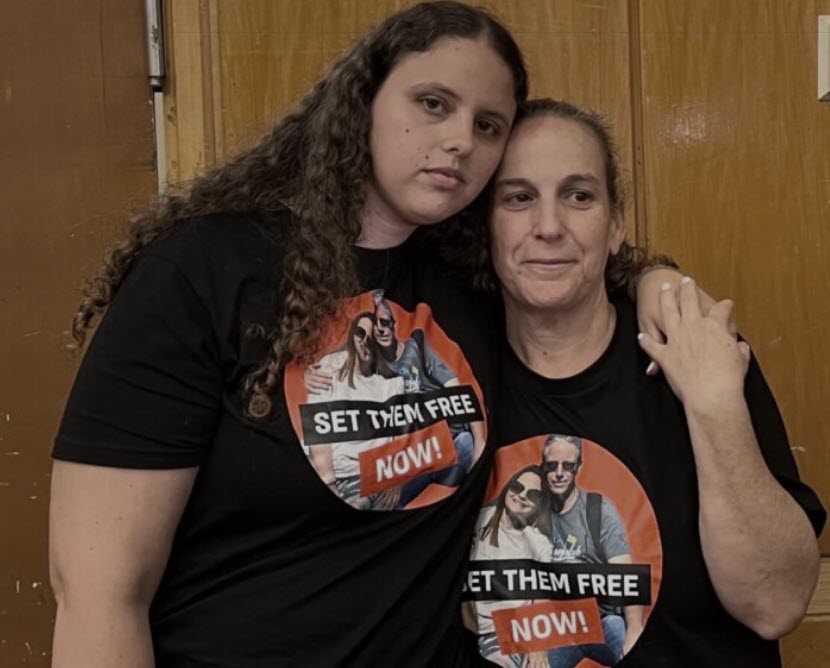
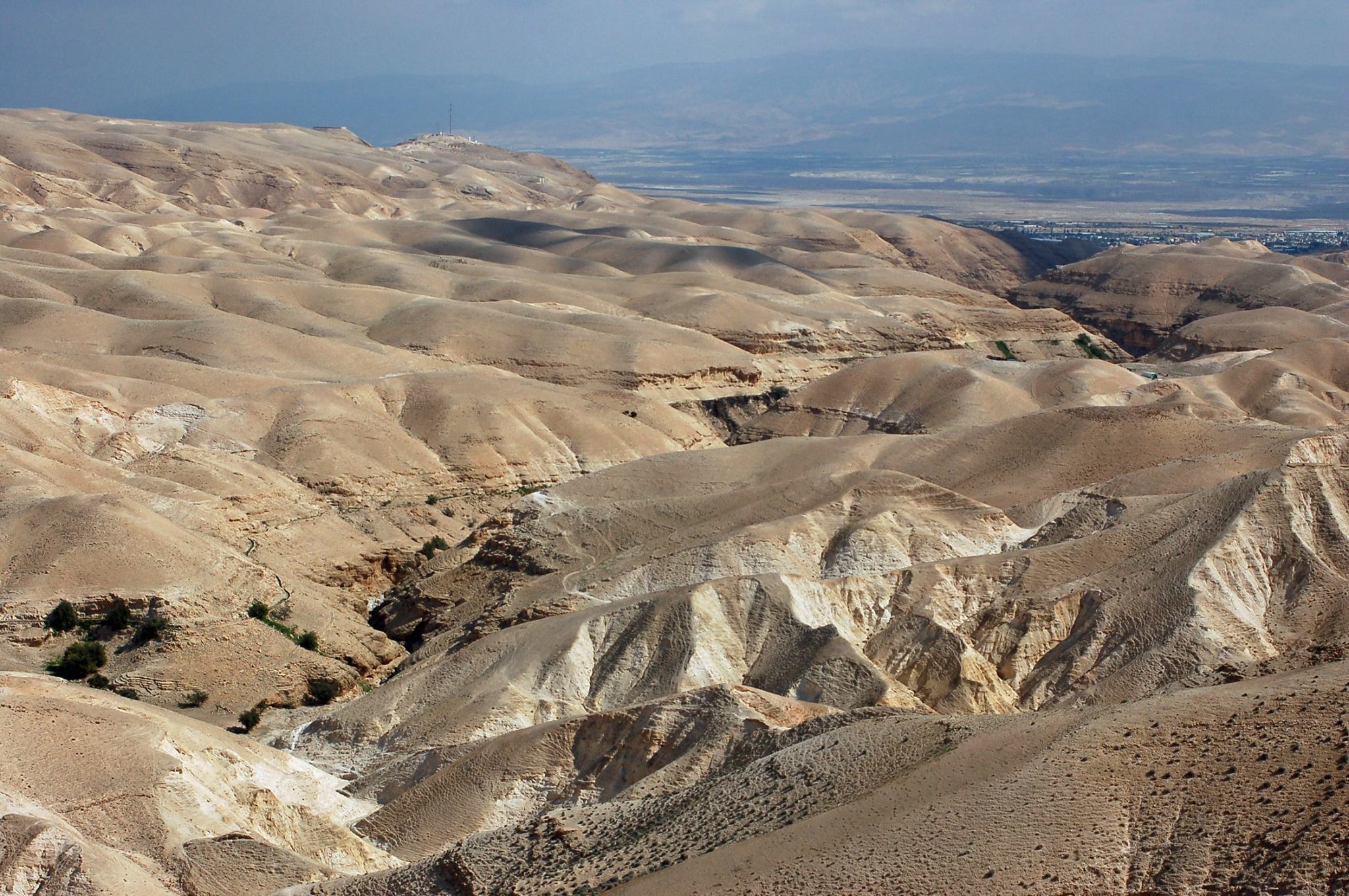
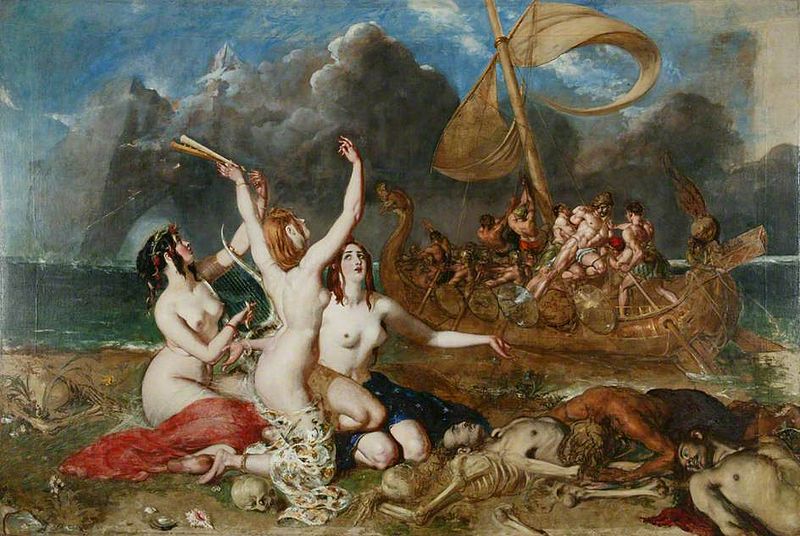


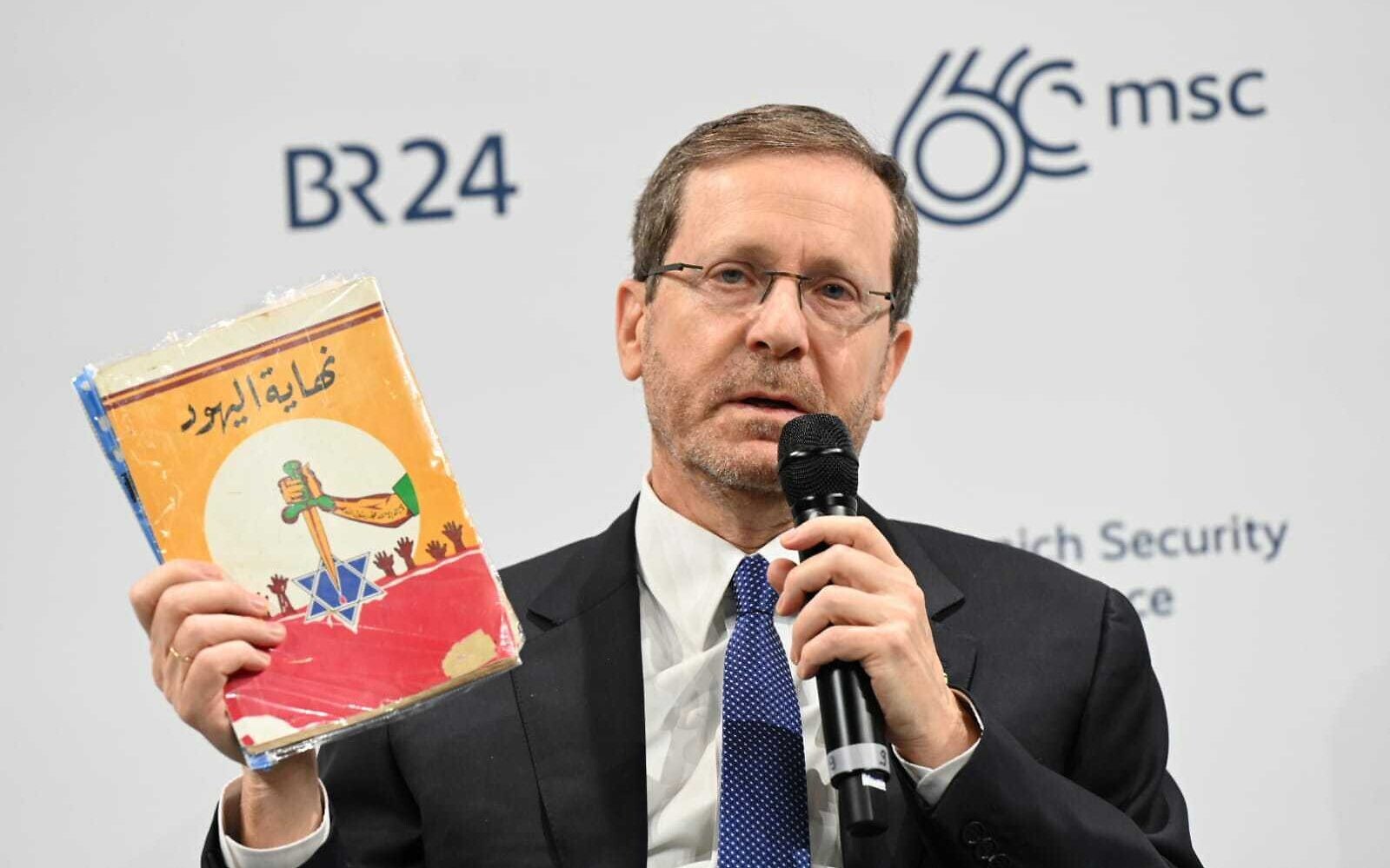


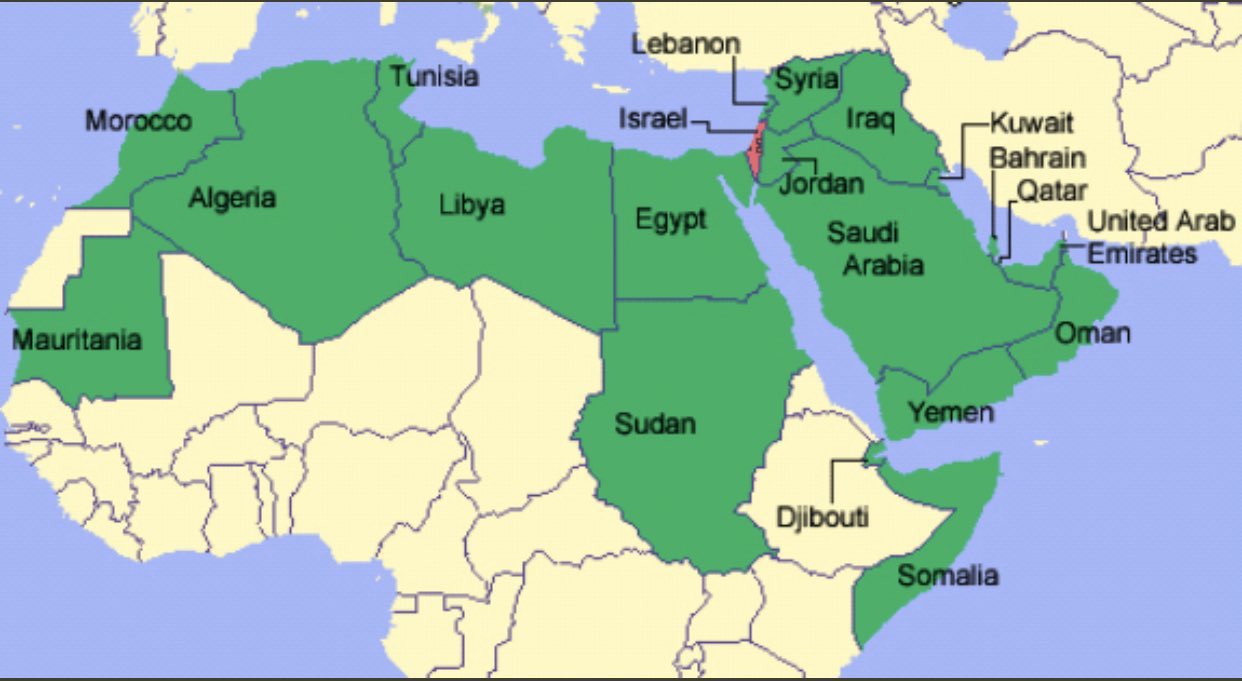
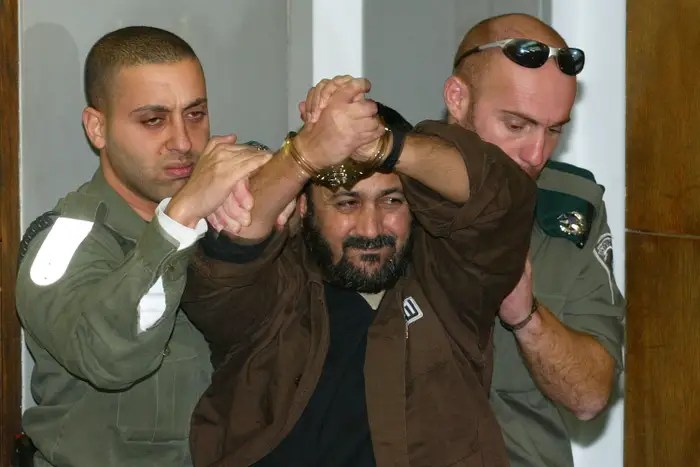


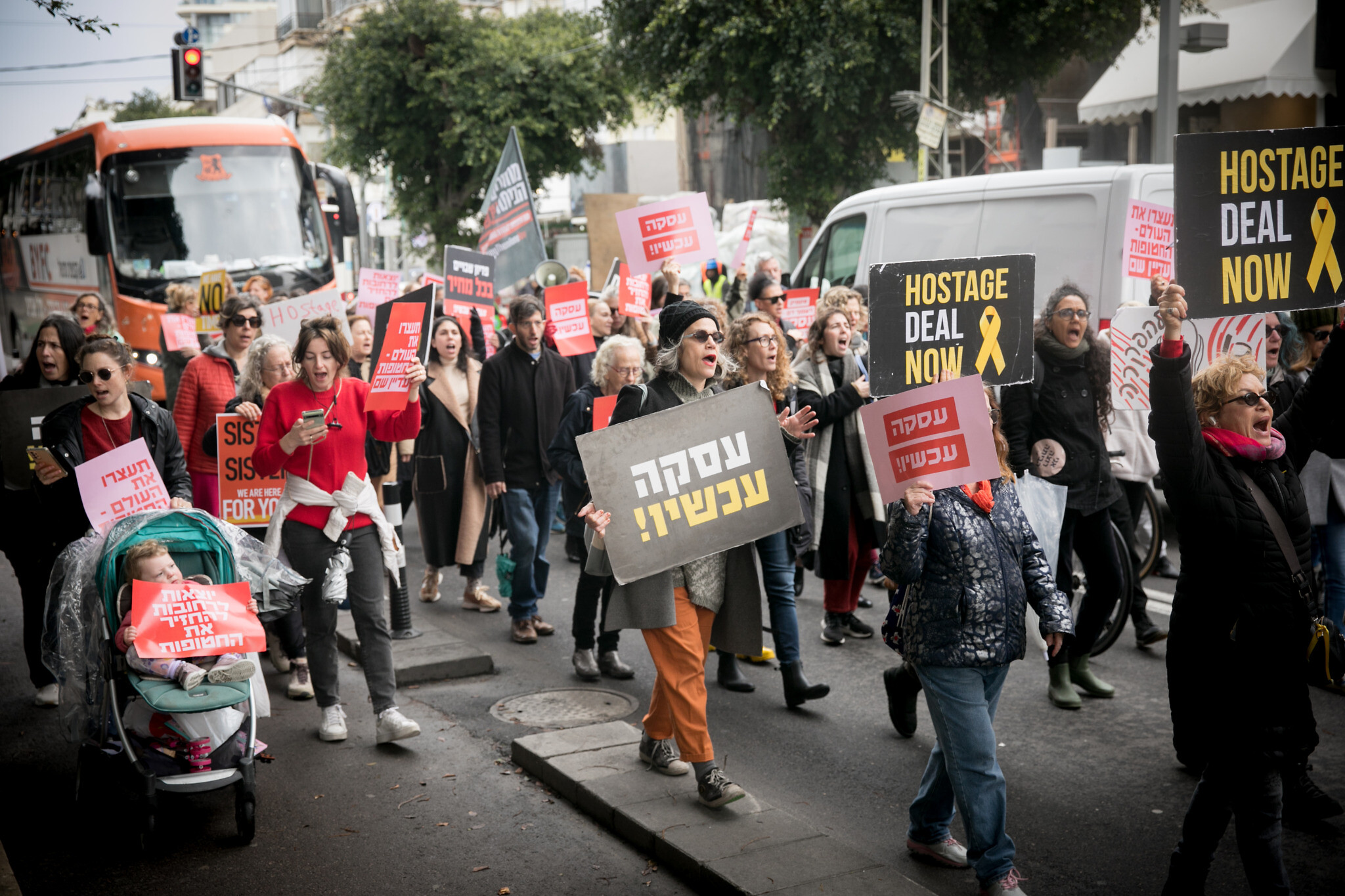

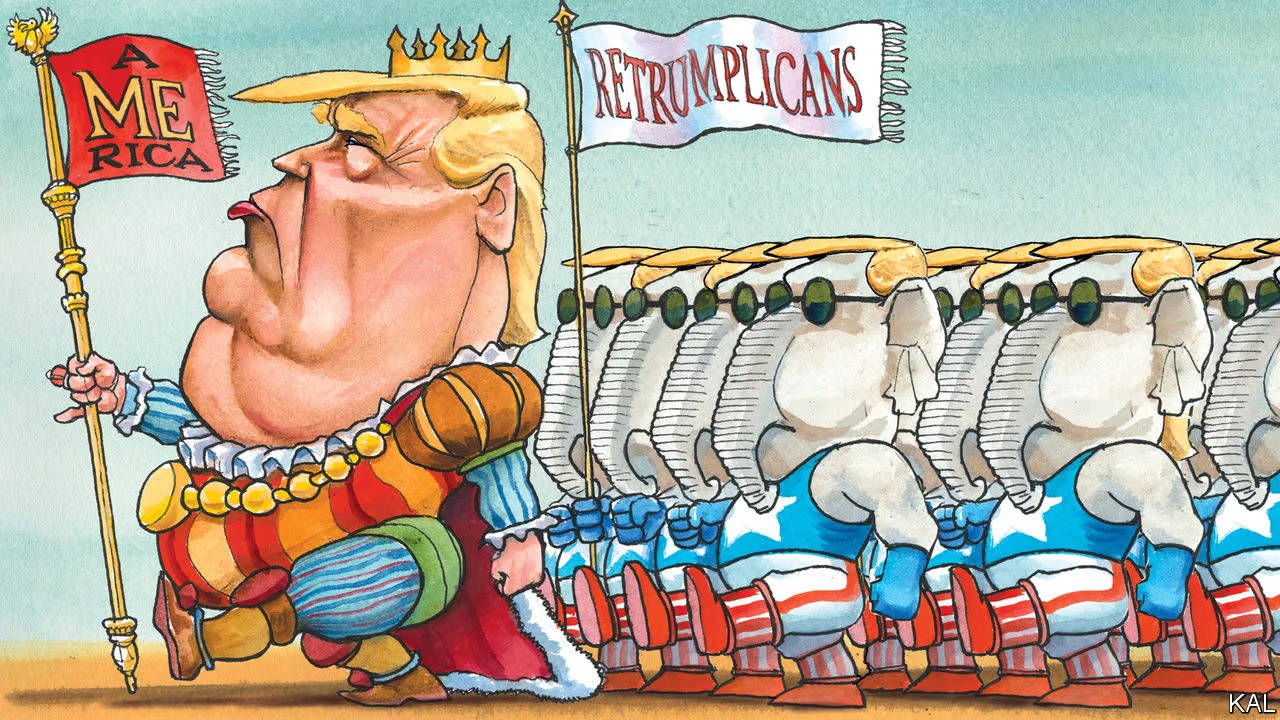
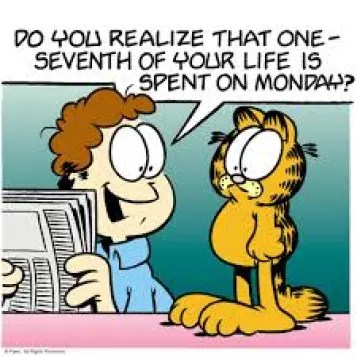


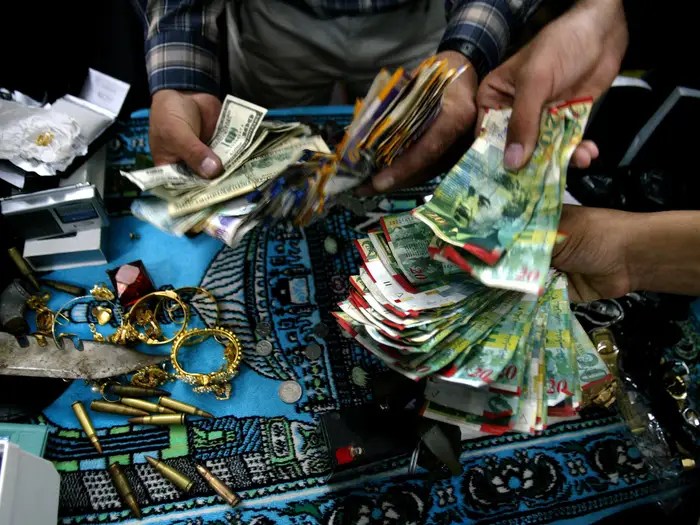

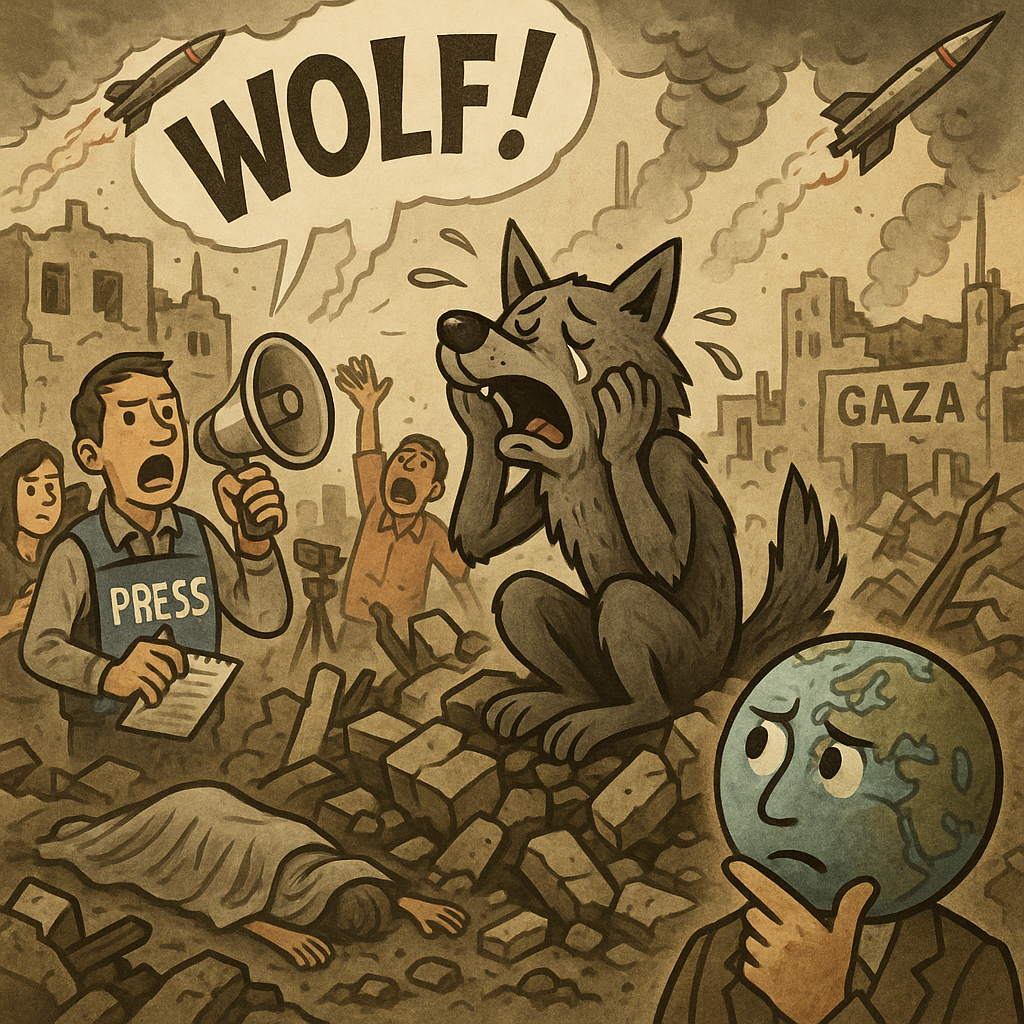
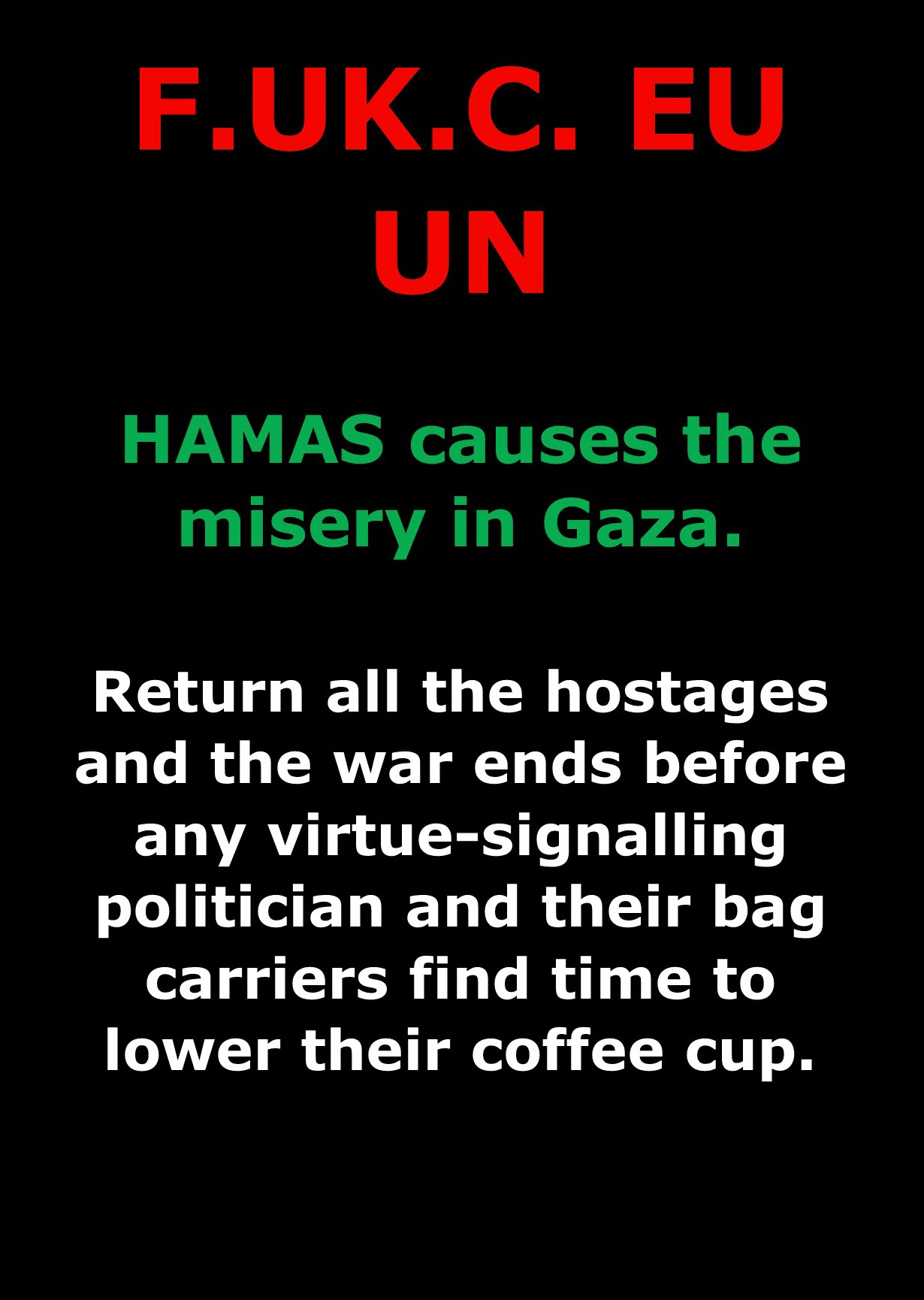
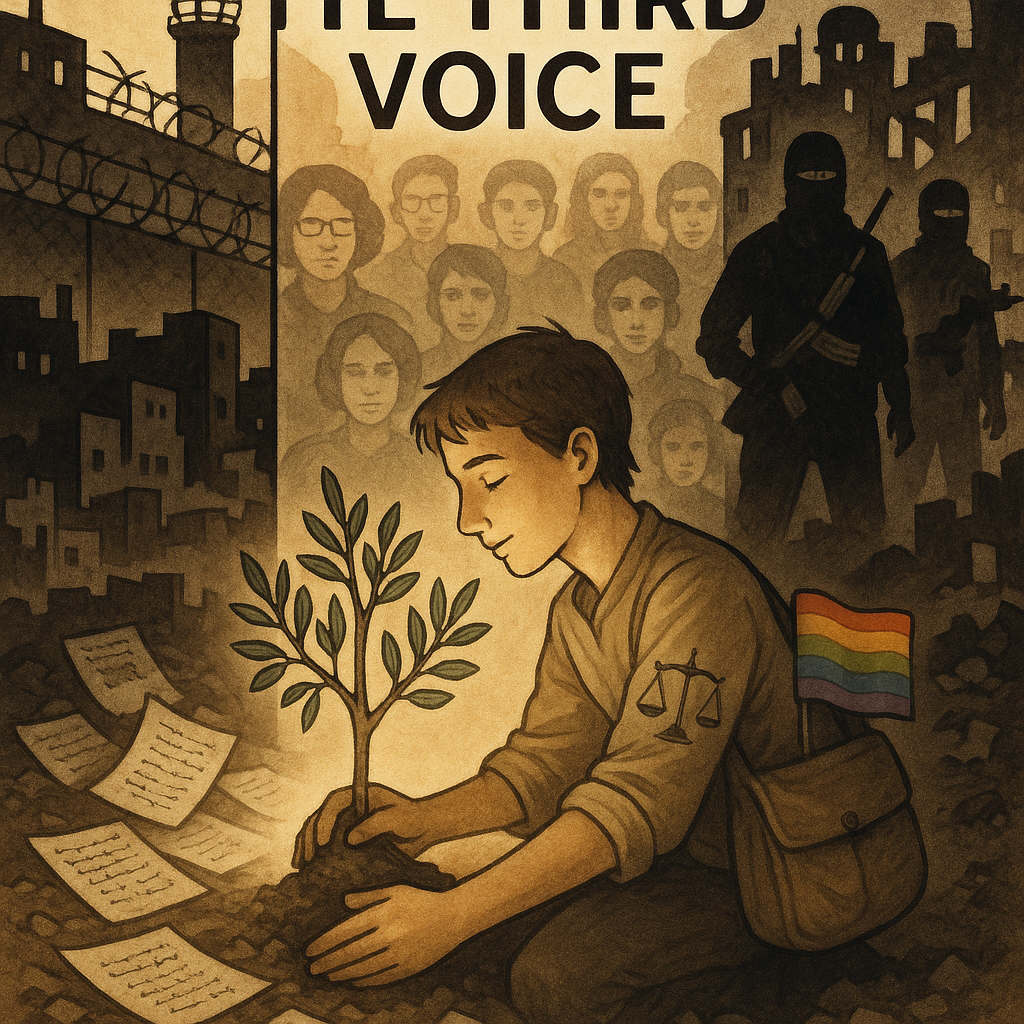
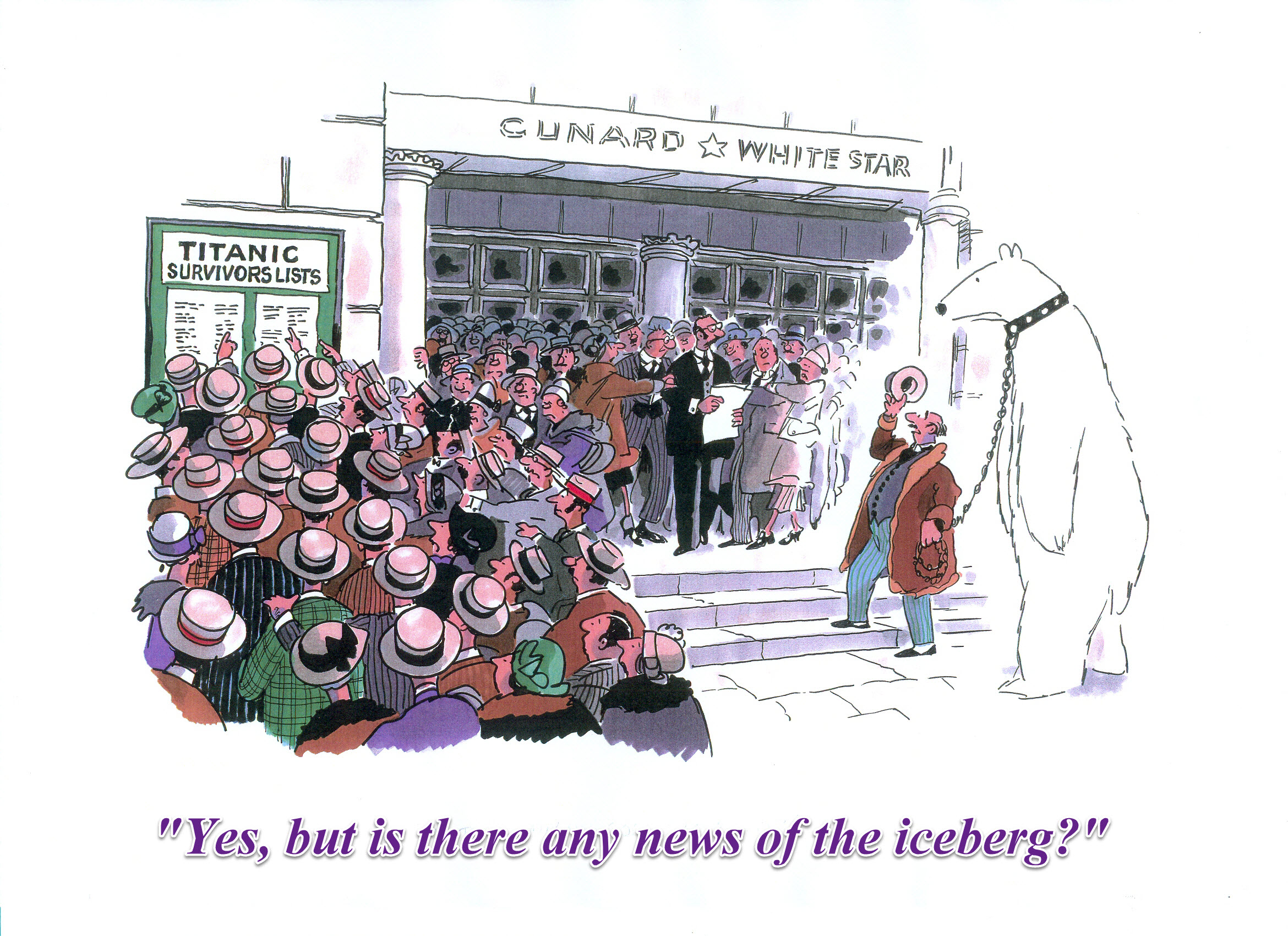

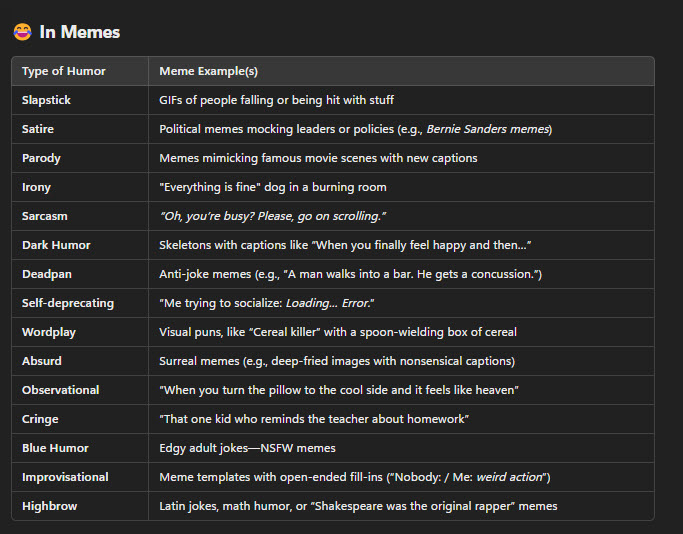



 Love in the Levant