
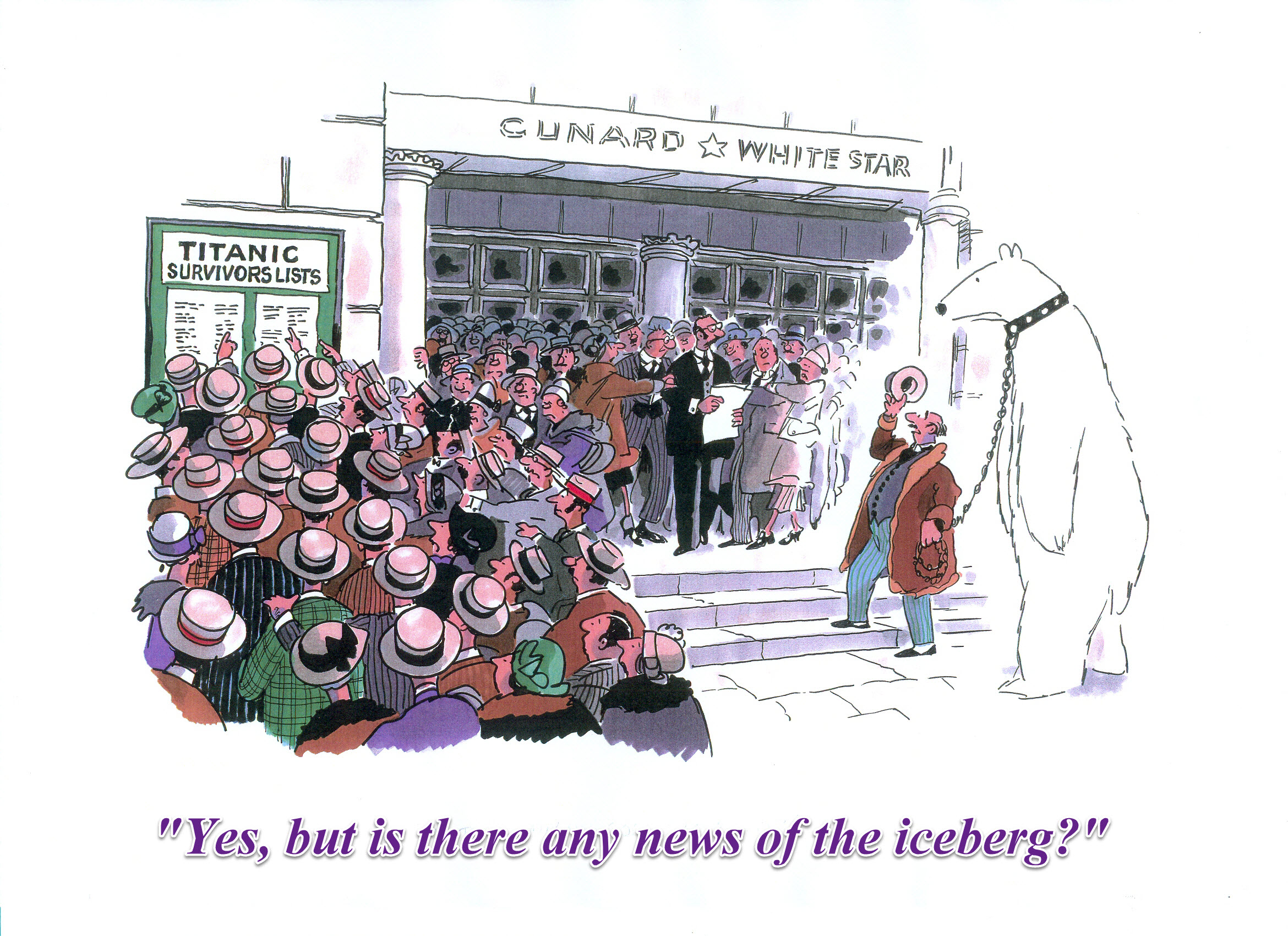
(BTW the illustration shows the entrance to my final workplace in the UK).
If I were to embrace my inner WOKE (and trust me, I have a few signs of life), I’d put a ban on the word SARCASM unless it comes with a proper label and a user manual. Seriously, it gets thrown around like confetti at a parade, covering everything from witty banter to your grandma’s bad puns. Not only is that a tragedy in the accuracy department, but let’s face it: I was taught that sarcasm is basically the underachiever of humor—like that kid in class who could’ve been a straight-A student but decided to coast through life just using eye rolls and heavy sighs!
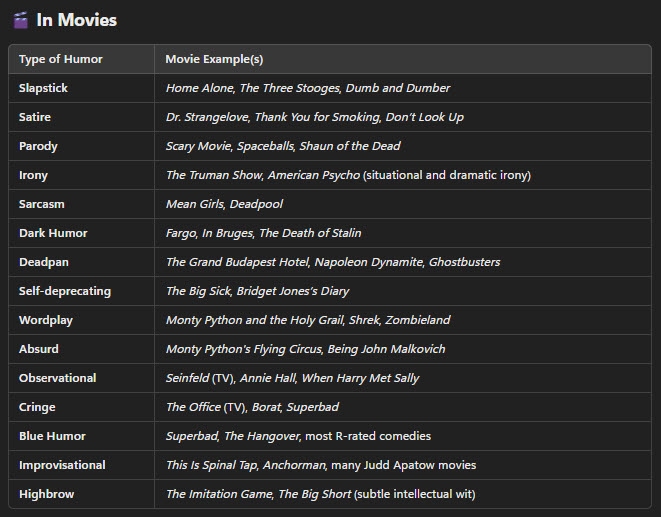
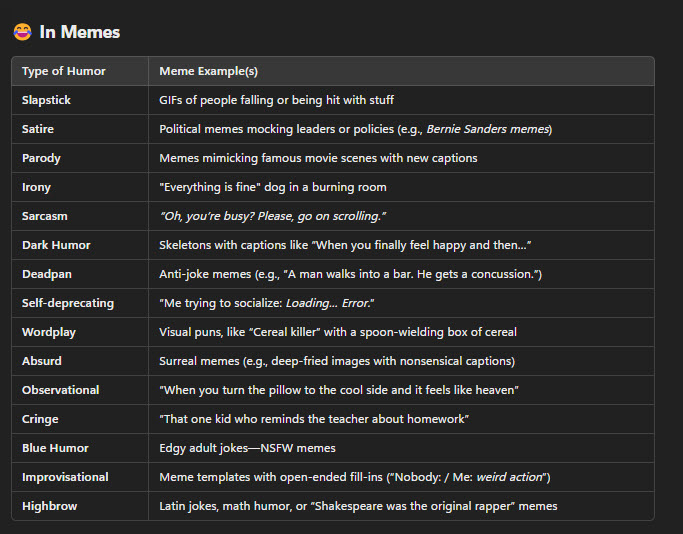
Humour comes in a delightful buffet of styles, each serving up its own quirky flavor and skill. Let’s dig into the smorgasbord of common humor types, complete with definitions and some laugh-out-loud examples that’ll tickle your funny bone!
- Slapstick
Definition: Physical comedy involving exaggerated movements, falls, and other bodily harm that’s not meant to be taken seriously.
Example: Someone slipping on a banana peel or getting hit with a pie in the face.
- Satire
Definition: Humour that criticizes or mocks politics, society, or individuals, often with the aim of promoting change.
Example: The Daily Show or The Onion using fake news to point out real issues.
- Parody (or Spoof)
Definition: An imitation of a particular style, genre, or work, exaggerated for comic effect.
Example: Scary Movie spoofs horror films; Weird Al Yankovic songs parody pop music.
- Irony
Definition: Saying the opposite of what you mean, or situations where the outcome is contrary to expectations.
Example: A fire station burning down, or saying “Great weather!” during a storm.
- Sarcasm
Definition: A biting form of irony, often meant to mock or convey contempt.
Example: Someone sees you carrying 10 heavy bags and says, “Need help? Nah, you’ve got this.”
- Dark (or Black) Humour
Definition: Joking about serious, disturbing, or taboo topics in a way that is unexpected and unsettling.
Example: “I want to die peacefully in my sleep, like my grandfather. Not screaming like the passengers in his car.”
- Deadpan (or Dry Humour)
Definition: Humour delivered with a straight face, as if the speaker is being completely serious.
Example: “I’m not lazy. I’m just on energy-saving mode.”
- Self-deprecating Humour
Definition: Making fun of oneself, usually in a humble or relatable way.
Example: “I’d agree with you, but then we’d both be wrong.”
- Wordplay (or Puns)
Definition: Humor based on the multiple meanings of words or similar-sounding words.
Example: “Time flies like an arrow. Fruit flies like a banana.”
- Absurd (or Surreal) Humour
Definition: Humour that relies on the ridiculous, nonsensical, or bizarre.
Example: Monty Python sketches like “The Ministry of Silly Walks.”
- Observational Humour
Definition: Jokes based on everyday life, pointing out funny or ridiculous aspects of common situations.
Example: “Why do we press harder on the remote when it’s not working?”
- Cringe Humour
Definition: Comedy that makes the audience feel uncomfortable, often by breaking social norms or showing awkward situations.
Example: The Office (US or UK) – Michael Scott’s social blunders.
- Blue Humour
Definition: Vulgar or risqué humour, dealing with topics like sex or bodily functions.
Example: Most stand-up routines that push adult boundaries fall into this category.
- Improvisational Humour (Improv)
Definition: Spontaneous comedy created on the spot, often in response to audience suggestions.
Example: Whose Line Is It Anyway?
- Highbrow (or Intellectual) Humour
Definition: Humour that involves clever wordplay, wit, or references to literature, philosophy, or science.
Example: “Descartes walks into a bar. The bartender asks if he wants a drink. ‘I think not,’ says Descartes-and disappears.”

 Love in the Levant