
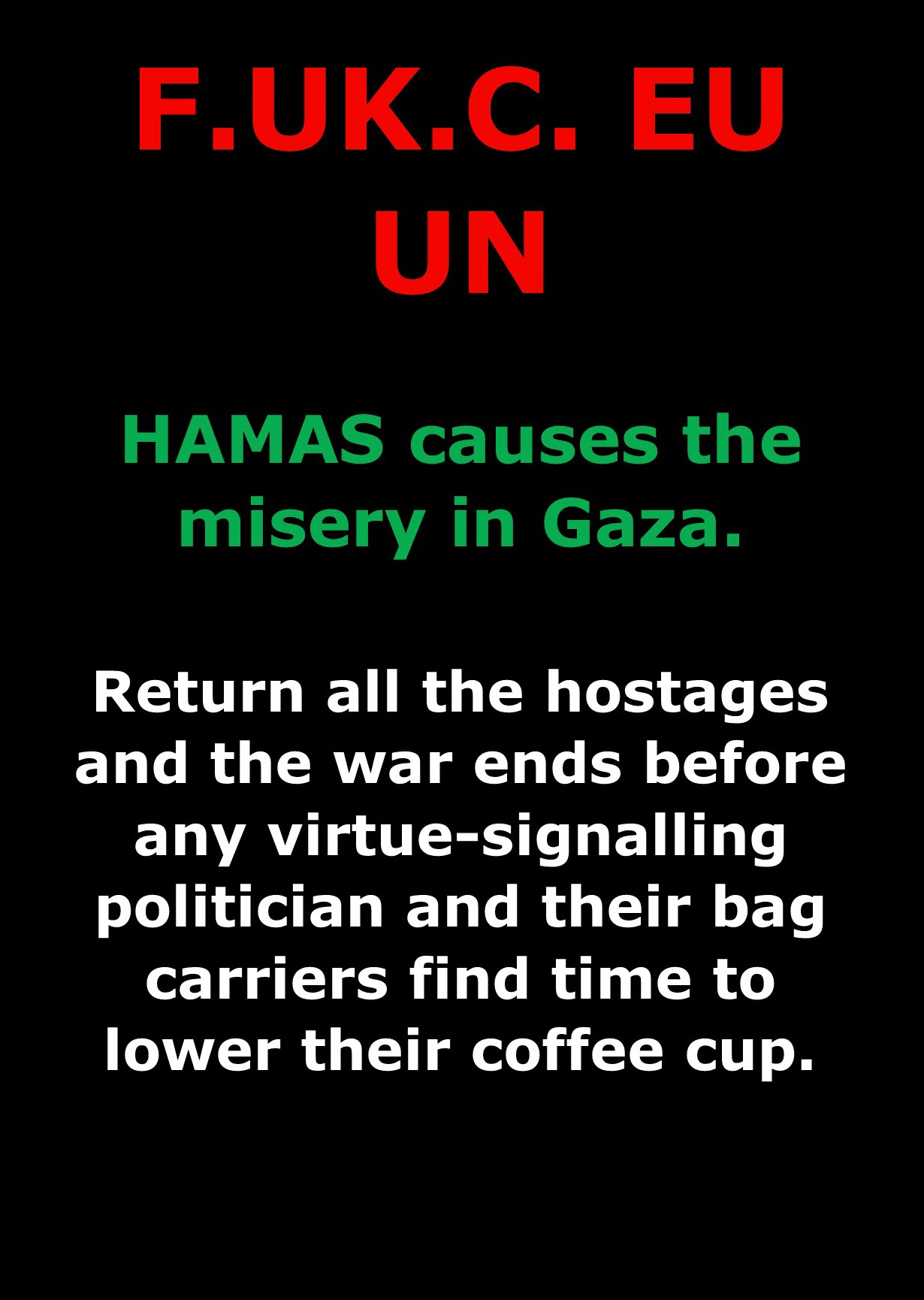
The war in Gaza grinds on, with the kind of rhythm usually reserved for bad sequels: same plot, new explosions. World leaders, think tanks, and diplomats have unleashed a torrent of peace proposals, ceasefire blueprints, and “bold new visions” — many of which sound suspiciously like the old ones, just with fancier PowerPoints.
But for the State of Israel, peace isn’t just a poetic idea — it’s a question of survival, strategy, and not getting invited to quite so many uncomfortable UN meetings.
Here’s your survival guide to the top proposals for ending the war in Gaza — and what each one really means for Israeli security.
1. The Three-Phase Ceasefire: A Temporary Timeout from Apocalypse
In early 2025, Egypt, Qatar, and the U.S. pulled off the diplomatic equivalent of a miracle — a ceasefire! That held for two whole months, which, in Middle East peace time, is basically eternity.
The Deal:
- Hostage swaps. Humanitarian aid. Tentative hugs.
- A plan for long-term peace (pause for laughter).
- A reconstruction effort that assumes someone remembers where the buildings used to be.
Security Outcome for Israel:
- Upside: Hostages came home. Guns went quiet(ish).
- Downside: Everyone just took a breath before returning to shouting. Hamas didn’t disappear. Neither did Israeli tanks. Or mistrust.
2. The Security Corridors: Making Gaza a Puzzle No One Wants to Solve
Israel, having decided Gaza was too easy to navigate, carved it up with corridors that sound like luxury hotel names: the Netzarim, Philadelphi, and Morag. Strategic choke points for them, tactical nightmares for everyone else.
Security Analysis:
- Pros: Israel controls movement. Militants can’t move, breathe, or think without being watched.
- Cons: UN officials lose their minds. Civilians are displaced. Google Maps gives up.
3. International Diplomacy: Now With Extra Meetings
The UN chimed in with a Security Council resolution endorsing peace. The Arab League held summits. China hosted talks between Palestinian factions. Everyone wore suits and said “de-escalation” a lot.
Result for Israel:
- Best Case: A unified Palestinian leadership could negotiate for real.
- Worst Case: That unified leadership includes groups still singing “From the river to the sea” with alarming enthusiasm.
4. Trump’s Plan: The U.S. Governs Gaza — What Could Go Wrong?
Former President Trump, never one to let geopolitical complexity get in the way of a big idea, proposed that the United States simply take over Gaza. You know, like Puerto Rico, but with more rockets.
Israel’s Take:
- Short-Term Gain: Hamas might sit this one out just to watch the chaos unfold.
- Long-Term Headache: U.S. forces managing Gaza sounds like the setup to a sitcom. But with airstrikes.
5. The International Trusteeship: Babysitters Without Borders
Some clever policy wonks suggest putting Gaza under an international trusteeship, like handing the keys to the world’s most explosive apartment to a team of unpaid interns from Geneva.
For Israel:
- Hopeful Vision: A neutral force stabilizes the area. Peace talks resume. Unicorns prance.
- Likely Reality: Endless bickering over budgets and mandates while rockets whistle overhead.
6. Political Pressures: When Allies Start Giving You That Look
Israel’s traditional supporters — the U.K., France, parts of the U.S. — are getting twitchy. They’re issuing statements, hinting at sanctions, and recognizing Palestinian statehood when no one’s looking.
Meanwhile, back in Tel Aviv, citizens are divided between “Flatten Hamas forever” and “Please let our kids grow up not knowing what a bomb shelter is.”
Security Forecast:
- Diplomatic Weather: Stormy with a chance of arms embargoes.
- Internal Climate: Politicians walking the tightrope between military hawks and weary parents.
Conclusion: Peace, Security, and Other Theoretical Concepts
Each proposal to end the Gaza war is like a dinner guest with baggage: they might look good on paper, but they come with a mess. Ceasefires crack. Military control alienates allies. Trusteeships drift into bureaucracy. And bold American ideas… well, you’ve seen “Iraq: The Remix.”
For Israel, the real challenge isn’t winning the war — it’s surviving the peace. Because in this region, peace is often just a commercial break between conflicts. But maybe, just maybe, one of these proposals will stick. Stranger things have happened — like a functioning coalition government.

 Love in the Levant